
Surprise birthday in Hafezieh

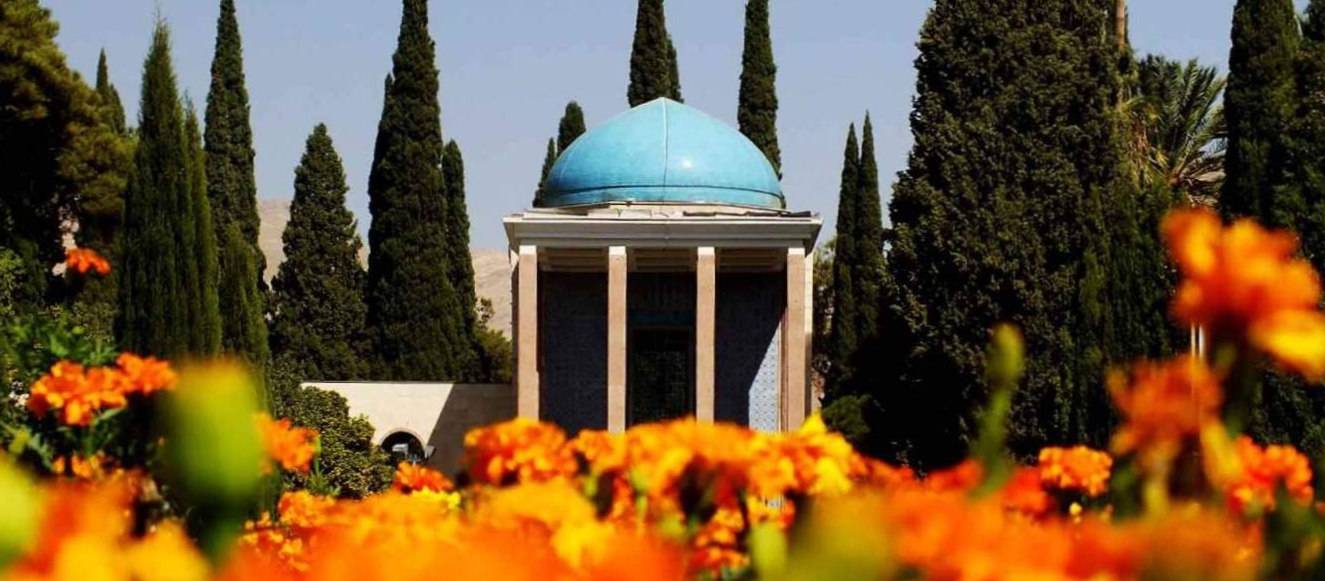
Kerman is one of the most fascinating cities in southeastern Iran, surrounded by mountains, deserts, historic villages, and vast pistachio orchards. Its long history, distinctive architecture, traditional handicrafts, local cuisine, and proximity to remarkable places such as Mahan and Rayen make Kerman an excellent destination for travelers interested in history, culture, nature, and authentic local life.
Kerman is often described as one of the jewels of Iran's desert plateau. Despite its dry surroundings, the city and its province have developed a rich culture and economy based on agriculture, trade, handicrafts, and mining.
Here are some interesting facts about Kerman that can help travelers better understand this fascinating part of Iran:
1. Kerman is one of the oldest cities on the Iranian plateau. Archaeological and historical evidence suggests that human settlement in the wider region goes back thousands of years. Its strategic location helped Kerman develop into an important center of trade and culture.
2. Kerman has been known by several names throughout history. Historical sources mention names such as "Gwashir," which is traditionally associated with the city established or developed during the Sassanid period.
3. Kerman has a rich history that stretches across several Persian dynasties. The city has played an important role during different periods of Iranian history, and travelers can still see traces of this long past in its bazaars, historic houses, mosques, caravanserais, and traditional neighborhoods.
4. Kerman's historic bazaar is one of its major attractions. The traditional bazaar is much more than a place for shopping. Its interconnected passages contain historic caravanserais, bathhouses, mosques, shops, and workshops, making it one of the best places to experience the traditional commercial life of the city.
5. Kerman is surrounded by desert landscapes but has a surprisingly diverse environment. The province includes high mountains, dry plains, desert areas, agricultural regions, and green oases. This variety makes Kerman an interesting base for exploring southeastern Iran.
6. Kerman is one of Iran's major pistachio-growing regions. The province is famous for its pistachio orchards, and pistachios are an important part of the local economy as well as the region's culinary culture.
7. Kerman is also known for dates and other agricultural products. Depending on the area and altitude, the province produces pistachios, dates, citrus fruits, walnuts, almonds, and a variety of dried fruits.
8. Kerman sits at a relatively high altitude. The city is around 1,700 meters above sea level, which gives it a noticeably different climate from many other desert destinations in southern Iran. Summers can be hot, but evenings and winters can be considerably cooler.
9. The surrounding mountains are an important part of Kerman's landscape. Mountain areas around the province provide opportunities for hiking, nature trips, and exploring villages that are very different from the dry landscapes usually associated with the Iranian desert.
10. Kerman has a long tradition of Persian handicrafts. The region is particularly famous for carpets, rugs, shawls, Termeh, kilims, jajims, and other woven products. Visiting traditional workshops can be a rewarding experience for travelers interested in Iranian craftsmanship.
11. Kerman carpets are among the best-known Persian carpets. Traditional Kerman carpets are particularly admired for their refined designs, floral compositions, and detailed craftsmanship. The city has been an important center of carpet production for generations.
12. Kerman has a distinctive local cuisine. Travelers can try regional dishes such as Halim Bademjan, along with a wide variety of local breads, stews, sweets, and dishes prepared with pistachios and other ingredients associated with the region.
13. Kerman is famous for its traditional sweets. Local specialties include Qottab, pistachio sweets, Sohan-e Zarandi, Haj Badem, Barshtuk, and other traditional confections. Trying local sweets is an easy way to discover another side of Kerman's culinary culture.
14. Kerman has a historic Zoroastrian community. Zoroastrians have lived in Kerman for generations and have preserved many of their religious traditions and ceremonies. Their presence is an important part of the city's diverse cultural heritage.
15. Mining has played an important role in the economy of Kerman Province. The region is rich in mineral resources, including copper, coal, iron, and other minerals. The province's mining industry has contributed significantly to the development of local industries.
16. Kerman is an important industrial center in southeastern Iran. Alongside traditional agriculture and handicrafts, the province has developed industries connected to mining, metals, food production, textiles, and other sectors.
17. Kerman's location makes it an excellent starting point for exploring nearby historic destinations. Travelers can easily combine a visit to Kerman with excursions to Mahan, Rayen, and other fascinating places in the surrounding region.
18. Mahan is famous for its beautiful gardens and historic monuments. Located close to Kerman, Mahan is home to the magnificent Shazdeh Garden and the mausoleum of Shah Nematollah Vali. The contrast between the lush garden and the surrounding dry landscape makes Mahan particularly memorable.
19. Rayen is home to one of Iran's most impressive mud-brick citadels. Rayen Arg is a remarkable example of traditional desert architecture. Its massive walls, towers, and adobe structures provide travelers with an opportunity to see how fortified settlements once functioned in this part of Iran.
20. Kerman is a destination for travelers who want to experience a less familiar side of Iran. Beyond the famous cities of Tehran, Shiraz, and Isfahan, Kerman offers a combination of ancient history, Persian handicrafts, pistachio orchards, desert landscapes, traditional food, mountain scenery, and nearby historic towns. It is an ideal destination for travelers looking to explore deeper into Iran's cultural and geographical diversity.


Relaxing in mesmerizing nature of Iran in the summertime and enjoying the beautiful weather in Yilaq which means a place where you live in the summer.
Going in-depth in Iran, visiting all the main hot spots plus visits to Hamedan, Ali Sadr cave, Qazvin, and finally the hot springs and the amazing nature of Sarein
Tehran > Shiraz > Yazd > Isfahan > Abyaneh > Hamedan > Qazvin > Anzali > Sarein
A quick visit to two main cities of old Iran, Shiraz, and Isfahan, quickly but magnificently. Both the cities have international airports for more flexibility.
Isfahan > Shiraz
The must-see route in Iran, we will visit most of the major historical sites. Best tour to get if this is your first time traveling to Iran.
Tehran > Shiraz > Yazd > Esfahan
Short trip through the three major touristic cities of Iran to catch a glimpse of the beauty of the country. You can fly between the cities with lots of daily flights, also great quality private cars, trains, and buses are available.
Tehran >  > Shiraz >
  > Isfahan
Tehran > Ahvaz > Suse > Shiraz > Bavanat > Yazd > Esfahan > Golpaygan > Hamadan > Kermanshah
17 Days
A more thorough itinerary with emphasis on getting to know the history of Iran with a bit of nature to enjoy.


We visited Iran last April and had a wonderful time. The country is very different to how the western media portray it. It feels very safe, prosperous and relaxed. There are many women working and many men who are very involved in child care. There is no sign of religious oppression and everyone seems to tolerate a wide range of dress codes from the western to the traditional.
First of all allow me to wish you and your families and all of those at Gardeshgaran Travel Agency a very happy and prosperous Norooz. I hope that this New Year brings to you all the best in happiness and health and prosperity.
I wanted to take some time while my thoughts are still fresh to give you some feedback on our recent tour in Iran. As you know this is my third time touring and also my third time working with your agency. I was very pleased with the attention that you have given me in my need for information.
After being home for almost one week I would like to take the time to thank you again very much for your help and support you gave us in Iran.As you probably realized, we had to change and shorten our travel plan in Iran for personal reasons.
But despite the short time we spent there, we had a wonderful and unforgettable holiday.
Just a little note of thanks to you and your company for the lovely gift that you sent me via Mr Colin MIller.
As I live in a different town to Mr Miller I don't get to meet with him very often but he did phone me when he returned from his holiday and said he had a gift for me from your company so two weeks ago I visited his town and he gave me the gift..
After coming back to Romania from our long journey in Iran we would like to thank you a lot for all your efforts to make our holiday in your beautiful country a great one. We saw a lot of wonderful places and met very nice and interesting people. Iran is indeed a country worth while travelling through! We are very grateful to you for the perfectly organized route and for the reliable and highly professonal guides and drivers.
After coming back to Romania from our long journey in Iran we would like to thank you a lot for all your efforts to make our holiday in your beautiful country a great one. We saw a lot of wonderful places and met very nice and interesting people. Iran is indeed a country worth while travelling through! We are very grateful to you for the perfectly organized route and for the reliable and highly professonal guides and drivers.
Our holding as one of the most innovative, pro-active retail travel companies in the country works in the fields of incoming, outgoing, education, ticketing, and a major supplier of discounted domestic airfares in three branches.
Feel Free to Contact us for any reason. Consult with our travel guides for free.
Tel : +98 939 339 6969
Also on Whatsapp
Email : [email protected]




Iran Travel Expert
Is there anything I can help you with?.
09.00