
Surprise birthday in Hafezieh

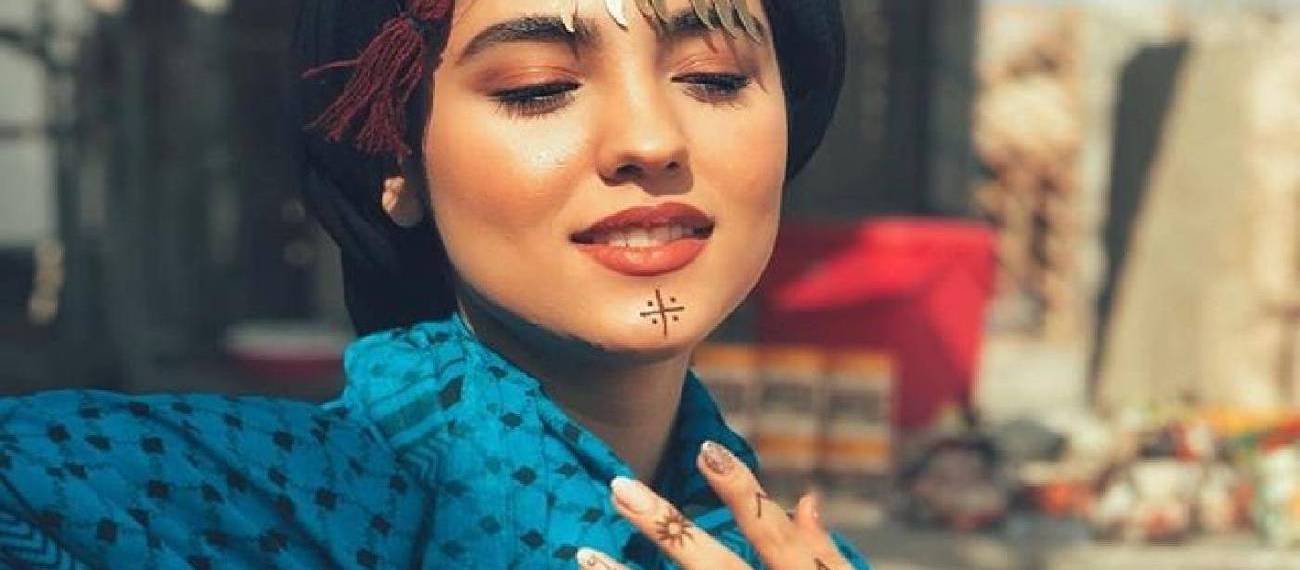
Iran has traditionally had regulations concerning women’s dress in public, including covering the hair and wearing modest clothing. However, everyday dress in Iran has changed considerably in recent years, and you will see a wide range of styles, particularly in major cities.
For female travelers, there is no need to dress in traditional Iranian clothing. You can wear your usual clothes, but it is still advisable to follow a few basic guidelines, especially when entering religious sites, government buildings, or more conservative areas.
In everyday life, women’s head covering has become much less common than it used to be, particularly in large cities. You will see many Iranian women walking in public with their hair uncovered.
For international visitors, a headscarf is generally not necessary, except when visiting religious sites or, in some cases, government buildings.
There is no need to wear a traditional manteau or other specifically Iranian garment.
T-shirts, shirts, blouses, and other everyday tops are commonly worn. For greater comfort and to avoid unwanted attention in more conservative areas, clothing that is reasonably modest and not excessively revealing is recommended.
Trousers, jeans, loose pants, and long skirts are all practical choices for traveling in Iran.
Shorts and very short skirts may be inappropriate in some public or religious settings, even though everyday clothing in larger cities can be considerably more relaxed.
Sandals and open shoes are perfectly normal, particularly during the warmer months.
There is no requirement to wear black or dark colors in Iran. Bright and light-colored clothing is perfectly normal, especially during spring and summer.
Iranian women have diverse personal styles, ranging from conservative to modern and fashionable. In cities such as Tehran, Shiraz, Isfahan, and other major tourist destinations, you will see a particularly wide variety of clothing styles.
Religious sites are different from ordinary public spaces. Some mosques and holy shrines have stricter dress requirements.
If a chador is required for entry, it is normally provided at the entrance. You do not need to bring your own.
For most trips, a practical wardrobe is enough:
Comfortable trousers or jeans
T-shirts and shirts
A light scarf
Comfortable walking shoes or sandals
A light jacket or cardigan for cooler weather
More conservative clothing for religious sites
The easiest approach is to bring a scarf with you and observe the local environment when you arrive. Dress in a way that is comfortable for you while being mindful that expectations can vary between cities, religious sites, and different situations.
Iranian society has changed significantly, and the way people dress on the streets today is very different from the image many older travel guides present.
You should not expect every Iranian woman to be wearing a headscarf or traditional clothing. In many parts of the country, especially in larger cities, uncovered hair and modern Western-style clothing are now a common sight.
Nevertheless, regulations and enforcement can vary, and religious or official settings may still have different requirements. Keeping a light scarf and a more conservative outfit available is therefore the simplest way to travel comfortably and avoid surprises.
Find practical and up-to-date answers to common questions about women’s clothing, headscarves, and dress expectations in Iran.
Iranian society and everyday clothing have changed significantly in recent years. The following questions address what female travelers are likely to experience today, from everyday street clothing to visiting mosques and holy sites.
In everyday life, particularly in major cities, you will see many Iranian women without a headscarf. For travelers, a headscarf is generally not necessary in ordinary public spaces, although it is useful to carry one for religious sites and other places where specific dress requirements may apply.
No. Foreign visitors do not need to wear a traditional Iranian manteau. Jeans, trousers, shirts, T-shirts, blouses, and other everyday clothing are commonly seen on the streets.
Jeans are completely normal. Modern Iranian women wear a wide variety of styles, including fitted clothing. However, extremely revealing or transparent clothing may not be appropriate in more conservative areas or religious settings.
Yes. Sandals and open shoes are perfectly normal, especially during spring and summer.
No. There is no general requirement to wear black. Iranian women wear a wide range of colors, including bright and light colors. There is no need to change your wardrobe to dark colors simply because you are traveling to Iran.
Religious sites can have different rules from ordinary public places. Some shrines and mosques may require more conservative clothing and, in some places, a chador. When a chador is required, it is normally available at the entrance for visitors.
Not necessarily. Clothing tends to be more relaxed in large cities and tourist destinations, while smaller towns, conservative communities, religious sites, and official buildings may have different expectations.
You can pack much the same clothes you would normally wear when traveling. Comfortable trousers or jeans, shirts and T-shirts, walking shoes or sandals, and a light scarf are useful. Bringing one more conservative outfit is also a good idea for religious sites or situations where it may be required.
Yes. The difference between older travel guides and what you see on Iranian streets today can be significant. In many cities, women’s clothing is considerably more relaxed than older descriptions suggest, and uncovered hair and modern Western-style clothing are common.
For more practical information, see our related guides on women’s clothing, visiting religious sites, and what to wear in Iran.


Relaxing in mesmerizing nature of Iran in the summertime and enjoying the beautiful weather in Yilaq which means a place where you live in the summer.
Going in-depth in Iran, visiting all the main hot spots plus visits to Hamedan, Ali Sadr cave, Qazvin, and finally the hot springs and the amazing nature of Sarein
Tehran > Shiraz > Yazd > Isfahan > Abyaneh > Hamedan > Qazvin > Anzali > Sarein
A quick visit to two main cities of old Iran, Shiraz, and Isfahan, quickly but magnificently. Both the cities have international airports for more flexibility.
Isfahan > Shiraz
The must-see route in Iran, we will visit most of the major historical sites. Best tour to get if this is your first time traveling to Iran.
Tehran > Shiraz > Yazd > Esfahan
Short trip through the three major touristic cities of Iran to catch a glimpse of the beauty of the country. You can fly between the cities with lots of daily flights, also great quality private cars, trains, and buses are available.
Tehran >  > Shiraz >
  > Isfahan
Tehran > Ahvaz > Suse > Shiraz > Bavanat > Yazd > Esfahan > Golpaygan > Hamadan > Kermanshah
17 Days
A more thorough itinerary with emphasis on getting to know the history of Iran with a bit of nature to enjoy.


We visited Iran last April and had a wonderful time. The country is very different to how the western media portray it. It feels very safe, prosperous and relaxed. There are many women working and many men who are very involved in child care. There is no sign of religious oppression and everyone seems to tolerate a wide range of dress codes from the western to the traditional.
First of all allow me to wish you and your families and all of those at Gardeshgaran Travel Agency a very happy and prosperous Norooz. I hope that this New Year brings to you all the best in happiness and health and prosperity.
I wanted to take some time while my thoughts are still fresh to give you some feedback on our recent tour in Iran. As you know this is my third time touring and also my third time working with your agency. I was very pleased with the attention that you have given me in my need for information.
After being home for almost one week I would like to take the time to thank you again very much for your help and support you gave us in Iran.As you probably realized, we had to change and shorten our travel plan in Iran for personal reasons.
But despite the short time we spent there, we had a wonderful and unforgettable holiday.
Just a little note of thanks to you and your company for the lovely gift that you sent me via Mr Colin MIller.
As I live in a different town to Mr Miller I don't get to meet with him very often but he did phone me when he returned from his holiday and said he had a gift for me from your company so two weeks ago I visited his town and he gave me the gift..
After coming back to Romania from our long journey in Iran we would like to thank you a lot for all your efforts to make our holiday in your beautiful country a great one. We saw a lot of wonderful places and met very nice and interesting people. Iran is indeed a country worth while travelling through! We are very grateful to you for the perfectly organized route and for the reliable and highly professonal guides and drivers.
After coming back to Romania from our long journey in Iran we would like to thank you a lot for all your efforts to make our holiday in your beautiful country a great one. We saw a lot of wonderful places and met very nice and interesting people. Iran is indeed a country worth while travelling through! We are very grateful to you for the perfectly organized route and for the reliable and highly professonal guides and drivers.
Our holding as one of the most innovative, pro-active retail travel companies in the country works in the fields of incoming, outgoing, education, ticketing, and a major supplier of discounted domestic airfares in three branches.
Feel Free to Contact us for any reason. Consult with our travel guides for free.
Tel : +98 939 339 6969
Also on Whatsapp
Email : [email protected]




Iran Travel Expert
Is there anything I can help you with?.
09.00