
Surprise birthday in Hafezieh

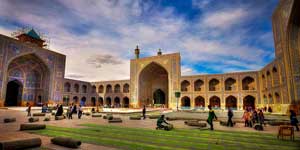
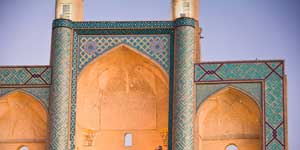
Isfahan is one of the top tourist destinations and one of the largest historical cities in Iran. This city with its attractions such as Naghsh Jahan historical square, Sivaseh bridge, old mosques, etc., is always of interest to domestic and foreign tourists.
Isfahan is half of the world and with its historical monuments and having a pristine and beautiful nature, it has always been a memory for Iranians. This city arouses everyone's admiration and it is not possible for you to return dissatisfied with your trip to Isfahan. Isfahan's handicrafts, such as enameling, woodcarving, etc., adorn Iranian houses. In this article, we will introduce 20 interesting facts about this city:
1. Isfahan is the third-largest city in Iran after Tehran and Mashhad.
2. In 2015, Isfahan and Rasht were the first cities in Iran to join the World Creative Cities Network under UNESCO.
3. Naghsh Jahan Square, with a length of 560 meters and a width of 160 meters, is one of the largest squares in the world.
4. One of the old names of Isfahan is Sepahan; Some experts believe that during the Sassanid rule, this city was the gathering place of the armed forces, and the troops of the southern regions of Iran, such as Bakhtiari, Fars, etc. , gathered in this area before moving towards the battlefield. They called this place Espahan, and later the word became known as "Isfahan".
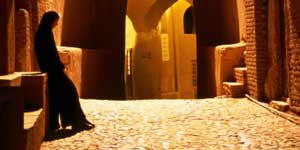
Yazd is one of Iran's most fascinating desert cities, where ancient Persian traditions, remarkable architecture, and everyday life have adapted to one of the country's harshest environments. Located between the Dasht-e Kavir and Dasht-e Lut deserts, Yazd is famous for its windcatchers, qanats, mud-brick buildings, narrow alleys, traditional houses, and Zoroastrian heritage.
For travelers, Yazd offers a completely different experience from Iran's larger cities. Walking through its historic neighborhoods, exploring traditional houses and bazaars, visiting Zoroastrian sites, and discovering how people have lived with limited water for centuries are some of the highlights of a visit to Yazd.
Here are some interesting facts about Yazd that will help you understand this remarkable desert city before visiting it:
1. The name "Yazd" has ancient roots. The name is believed to be connected with ancient Persian words such as "Yasht," "Yazt," and "Yasen," associated with praise, prayer, worship, and God. The city has also been known by historical names such as Isatis and Dar al-Ebadah.
2. Yazd became known as the "City of Worship." After the arrival of Islam, Yazd developed a strong Islamic identity. During the Seljuk period, the city became associated with the name Dar al-Ebadah, meaning "House of Worship."
3. Yazd is the capital of Yazd Province. The city lies in a broad, dry valley surrounded by mountains, including the Shirkuh range. Its location has played an important role in shaping its climate, architecture, and traditional way of life.
4. Yazd has a history dating back to ancient Persia. The region was already an important settlement long before modern Iran existed, and its history extends through several major periods of Persian civilization, including the Sassanid era.
Tehran, the capital of Iran, is the country's largest city and its main political, cultural, and economic center. Although it is a modern metropolis, Tehran has a long history and offers travelers a fascinating mix of palaces, museums, historic bazaars, parks, contemporary architecture, and spectacular views of the Alborz Mountains.
Tehran is located south of the Alborz mountain range and is one of the best places in Iran to experience the contrast between modern urban life and centuries of Persian history. Here are some interesting facts about Tehran that may be useful for travelers:
1. Tehran became Iran's capital during the Qajar period. Agha Mohammad Khan Qajar chose Tehran as the capital in 1788, marking the beginning of the city's rapid growth and transformation into the political center of Iran.
2. Tehran was once a small village near the ancient city of Rey. Long before becoming a huge metropolis, Tehran was a relatively small settlement in the area of Rey. Its strategic location gradually helped it grow into one of the most important cities in Iran.
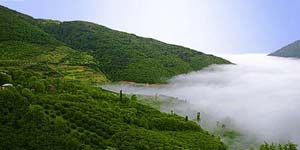
Rasht is one of the most lively and distinctive cities in northern Iran. Located near the southern coast of the Caspian Sea, the capital of Gilan Province is surrounded by lush landscapes, rice fields, forests, and waterways. Its humid climate, colorful markets, local cuisine, and welcoming atmosphere make it a fascinating destination for travelers who want to experience a different side of Iran.
Often called the "City of Silver Rain," Rasht is famous for its frequent rainfall and exceptionally green surroundings. Unlike Iran's dry central cities, Rasht offers travelers a landscape of rice paddies, forests, rivers, and Caspian-influenced cuisine.
Here are some interesting facts about Rasht that can help you understand the city and make the most of your visit:
1. Rasht is the largest city in northern Iran. It is the main urban center of Gilan Province and one of the most important cities along Iran's Caspian coast.
2. Rasht has grown dramatically over the past century. According to the 1956 census, the city had a population of around 100,000. Today, the wider urban area is home to around one million people, making Rasht a major regional center.
3. Rasht is surrounded by some of northern Iran's most beautiful landscapes. The city lies on the Gilan Plain near the Caspian Sea and the delta of the Sefidrud River. Rice fields, wetlands, forests, and green countryside can all be found around the city.
4. Rain is one of the defining features of Rasht. The city receives considerably more rainfall than most major Iranian cities. Its wet climate is one of the main reasons for the exceptionally green landscape of Gilan.
Qeshm Island is the largest island in the Persian Gulf and one of the most fascinating destinations in southern Iran. Located in the Strait of Hormuz, Qeshm is known for its dramatic geological landscapes, mangrove forests, traditional villages, coastal scenery, and unique island culture.
For travelers, Qeshm offers an experience that is very different from Iran's historic cities. Instead of palaces and monumental architecture, the island is about extraordinary natural landscapes, fishing villages, traditional wooden boats, local food, marine life, and the distinctive culture of the Persian Gulf.
Here are some interesting facts about Qeshm that can help you understand this remarkable island before visiting it:
1. Qeshm is the largest island in the Persian Gulf. It lies strategically in the Strait of Hormuz and is part of Hormozgan Province. Its location has made it an important place for trade and maritime activity for centuries.
2. Qeshm has had different names throughout history. During the Sassanid period, the island was reportedly known as "Abarkan," meaning "large island." From the Safavid period onward, the name Qeshm became increasingly common in historical and geographical sources.
Kerman is one of the most fascinating cities in southeastern Iran, surrounded by mountains, deserts, historic villages, and vast pistachio orchards. Its long history, distinctive architecture, traditional handicrafts, local cuisine, and proximity to remarkable places such as Mahan and Rayen make Kerman an excellent destination for travelers interested in history, culture, nature, and authentic local life.
Kerman is often described as one of the jewels of Iran's desert plateau. Despite its dry surroundings, the city and its province have developed a rich culture and economy based on agriculture, trade, handicrafts, and mining.
Here are some interesting facts about Kerman that can help travelers better understand this fascinating part of Iran:
1. Kerman is one of the oldest cities on the Iranian plateau. Archaeological and historical evidence suggests that human settlement in the wider region goes back thousands of years. Its strategic location helped Kerman develop into an important center of trade and culture.
2. Kerman has been known by several names throughout history. Historical sources mention names such as "Gwashir," which is traditionally associated with the city established or developed during the Sassanid period.
3. Kerman has a rich history that stretches across several Persian dynasties. The city has played an important role during different periods of Iranian history, and travelers can still see traces of this long past in its bazaars, historic houses, mosques, caravanserais, and traditional neighborhoods.
4. Kerman's historic bazaar is one of its major attractions. The traditional bazaar is much more than a place for shopping. Its interconnected passages contain historic caravanserais, bathhouses, mosques, shops, and workshops, making it one of the best places to experience the traditional commercial life of the city.
Mashhad is one of the most important tourist destinations in Iran and the country's main center of religious tourism. At the heart of the city stands the magnificent shrine of Imam Reza (AS), the eighth Imam of Shia Muslims, which attracts millions of pilgrims and visitors every year.
Located in northeastern Iran, Mashhad is the capital of Razavi Khorasan Province and one of the country's largest cities. Although religious tourism is at the heart of Mashhad's tourism industry, the city also offers historical attractions, traditional markets, local cuisine, handicrafts, and easy access to the cultural and natural attractions of Khorasan.
Visitors from Iran and neighboring countries travel to Mashhad throughout the year, both to visit the shrine and to explore the city's cultural and commercial attractions.
If you are interested in learning more about Mashhad, here are some interesting facts about the city:
Ahvaz is the capital of Khuzestan Province and one of the major cities in southwestern Iran. Located on the banks of the Karun River, the city has a fascinating combination of riverfront landscapes, Arab and Persian cultural influences, industrial heritage, and a history that stretches back to ancient times.
For travelers, Ahvaz offers a different experience from Iran's historic desert cities. The Karun River, traditional markets, local food, date palms, and the multicultural atmosphere of Khuzestan are among the highlights of visiting the city.
Here are some interesting facts about Ahvaz that can help you understand this important city before visiting it:
1. Ahvaz is one of the largest cities in southwestern Iran. It is the administrative and economic center of Khuzestan Province and an important gateway to many historical and natural attractions in the region.
2. The name Ahvaz has ancient roots. One commonly mentioned theory connects the name with the Khuz people, an ancient population associated with the region of Khuzestan.
3. Ahvaz has a history that goes back to ancient Persia. The city and its surrounding region played an important role during the Sassanid period and developed as part of a wider network of settlements along the Karun River.
4. Ahvaz once had an important textile industry. During the early twentieth century, a spinning and weaving factory was established in the city. Although the factory eventually closed and the historic building was later destroyed, its story reflects the industrial development of modern Ahvaz.
Semnan is the capital of Semnan province, southwest of Alborz mountain range and north of Kavir plain on the way from Tehran to Khorasan. There are facts about this city that we will discuss in this article.
Semnan is one of the cities of Iran, which is located in the south of Alborz mountain range. In addition to natural attractions, this city also has beautiful historical attractions. Semnan is one of the cities with an adventurous historical background and this city can be seen with the view of a proud historical city.
Semnan is adjacent to Damghan Shahroud cities from the east, to Darjezin, Mahdishahr and Shahmirzad from the north and to Sorkheh from the west. Its distance to Tehran is 216 km and it is connected to the Tehran-Mashhad national railway and has two airports. Semnan is the most populous city in Semnan province. Semnan has a dry and temperate climate and its people are Aryan and speak Persian.
In this article, we have gone to interesting facts about this city, join us to know more about Semnan:
1. During the Median Empire, all of present-day Semnan was part of the great Median Empire. After the Medes, Cyrus the Great, after conquering Asia Minor, went to the eastern regions of Iran and advanced to the Seyhoun River.
2. Cyrus added the province of Parthia, which included Khorasan and Kumesh (Qoms, roughly present-day Semnan province), in addition to Sistan (Zarang) and Khorazm to his territory. After Cyrus, Cambyses came to the kingdom, and according to Cyrus' will, the rule of Khorazm, Parthia and Carmania (Kerman) was given to Berdia. During this period, Semnan, like Poli, connected the three states of Raga (Rey), Khorasan and Astarabad (Gorgan).
3. After the invasion of Alexander the Great and the Seleucid rule, the Seleucids gave the Iranians a lot of power to satisfy the Iranians and not to revolt. To keep the people happy, the party rulers also built sixty cities in the state of Koomesh, including Apama (present-day Lasjerd of the villages of Sorkheh) and Hekatmoplis (present-day Sadrvazeh or Damghan). During the Parthian period, Koomesh was one of the eighteen Parthian states and was known as Komisan and Qomis.
Tabriz is one of the metropolises of Iran and the capital of East Azerbaijan province. Tabriz is the largest city in the northwest region and the administrative, industrial, commercial, military, communication, commercial and cultural hub of this region of the country. Get acquainted with the facts of this beautiful city.
Tabriz is the city of the first. This city is one of the most important cities in Iran and one of the immigrant cities. Tabriz has a rich and tumultuous past, many times the earthquake has destroyed this city in general, but the efforts of its people have rebuilt a beautiful and large city. Follow us to introduce you to interesting facts about this city.
1. The present Tabriz dates back to the Parthian and Sassanid eras.
2. Tabriz was the capital during the reigns of the Atabakans, the Khwarezmshahis, the Ilkhans, the Shepherds, the Jalayrians, the Raqviunlus, the Aghqoyunlus, and the Safavids, and it can be called one of the cities that has been the capital for a long time. During the rule of the Qajars, Tabriz was the crown prince.
3. It is said that in 1500 AD, when Tabriz was the capital of the Safavids, it was considered as the fifth largest city in the world.
4. In Armenian, Tabriz is called "Tavriz", in Kurdish it is called "Turiz" and in some parts of Azerbaijan it is called "Tori".
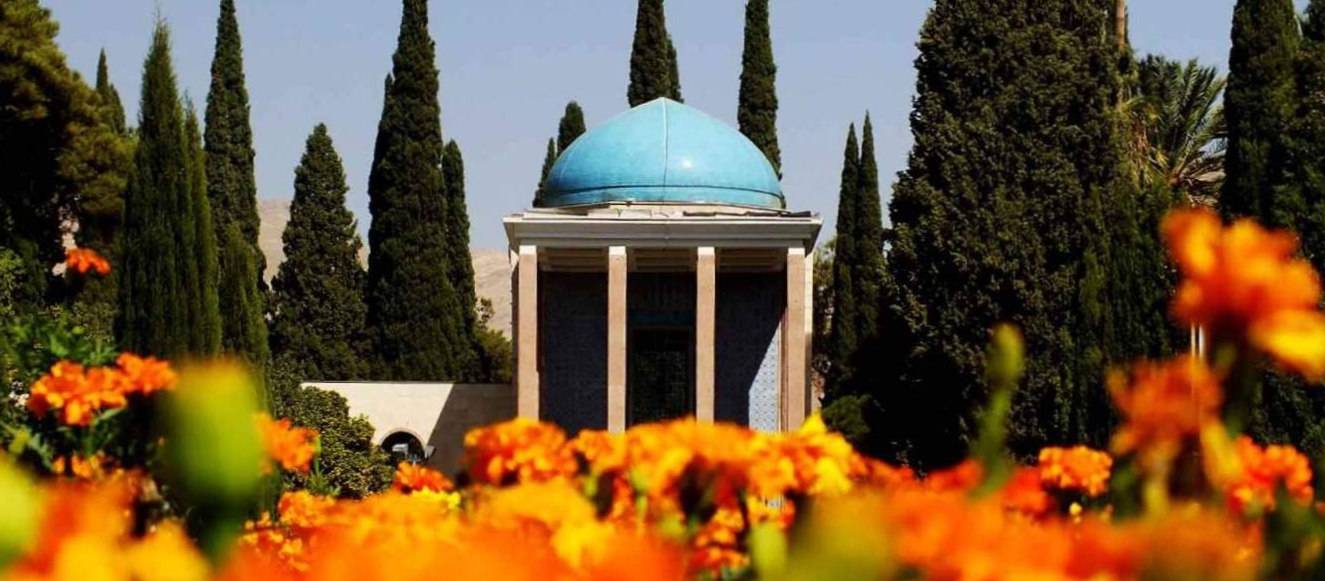
Shiraz is a city of secrets and in the spring and the month of May, it literally becomes a paradise that is filled with the fragrance of spring orange in every breath of existence. Shiraz is a city of poetry and the atmosphere of Hafez and Saadi's poems is complex in every aspect.
Shiraz is one of the old cities of Iran and it can be considered one of the top tourist cities of our beloved country Iran. Shiraz is full of historical, natural, and literary attractions and has something for every taste. The people of this city are also hospitable and welcome tourists with open arms. If you are also interested in the city of mystery and poetry, follow this article to learn more about its interesting facts.
1. Shiraz is the third city in Iran after Tabriz and Tehran that its municipality was established (in 1296).
2. The name of Shiraz has been registered in history books as "Tirazis", "Shirazi's" and "Shiraz".
3. Shiraz, which hosts Shah Cheragh, the brother of Imam Reza (AS), has been named the third shrine of the Ahl al-Bayt in Iran.
4. Dushanbe, Tajikistan, Nicosia, Cyprus, Chongqing, China, and Weimar, Germany are the sister cities of Shiraz.


Relaxing in mesmerizing nature of Iran in the summertime and enjoying the beautiful weather in Yilaq which means a place where you live in the summer.
Going in-depth in Iran, visiting all the main hot spots plus visits to Hamedan, Ali Sadr cave, Qazvin, and finally the hot springs and the amazing nature of Sarein
Tehran > Shiraz > Yazd > Isfahan > Abyaneh > Hamedan > Qazvin > Anzali > Sarein
A quick visit to two main cities of old Iran, Shiraz, and Isfahan, quickly but magnificently. Both the cities have international airports for more flexibility.
Isfahan > Shiraz
The must-see route in Iran, we will visit most of the major historical sites. Best tour to get if this is your first time traveling to Iran.
Tehran > Shiraz > Yazd > Esfahan
Short trip through the three major touristic cities of Iran to catch a glimpse of the beauty of the country. You can fly between the cities with lots of daily flights, also great quality private cars, trains, and buses are available.
Tehran >  > Shiraz >
  > Isfahan
Tehran > Ahvaz > Suse > Shiraz > Bavanat > Yazd > Esfahan > Golpaygan > Hamadan > Kermanshah
17 Days
A more thorough itinerary with emphasis on getting to know the history of Iran with a bit of nature to enjoy.


We visited Iran last April and had a wonderful time. The country is very different to how the western media portray it. It feels very safe, prosperous and relaxed. There are many women working and many men who are very involved in child care. There is no sign of religious oppression and everyone seems to tolerate a wide range of dress codes from the western to the traditional.
First of all allow me to wish you and your families and all of those at Gardeshgaran Travel Agency a very happy and prosperous Norooz. I hope that this New Year brings to you all the best in happiness and health and prosperity.
I wanted to take some time while my thoughts are still fresh to give you some feedback on our recent tour in Iran. As you know this is my third time touring and also my third time working with your agency. I was very pleased with the attention that you have given me in my need for information.
After being home for almost one week I would like to take the time to thank you again very much for your help and support you gave us in Iran.As you probably realized, we had to change and shorten our travel plan in Iran for personal reasons.
But despite the short time we spent there, we had a wonderful and unforgettable holiday.
Just a little note of thanks to you and your company for the lovely gift that you sent me via Mr Colin MIller.
As I live in a different town to Mr Miller I don't get to meet with him very often but he did phone me when he returned from his holiday and said he had a gift for me from your company so two weeks ago I visited his town and he gave me the gift..
After coming back to Romania from our long journey in Iran we would like to thank you a lot for all your efforts to make our holiday in your beautiful country a great one. We saw a lot of wonderful places and met very nice and interesting people. Iran is indeed a country worth while travelling through! We are very grateful to you for the perfectly organized route and for the reliable and highly professonal guides and drivers.
After coming back to Romania from our long journey in Iran we would like to thank you a lot for all your efforts to make our holiday in your beautiful country a great one. We saw a lot of wonderful places and met very nice and interesting people. Iran is indeed a country worth while travelling through! We are very grateful to you for the perfectly organized route and for the reliable and highly professonal guides and drivers.
Our holding as one of the most innovative, pro-active retail travel companies in the country works in the fields of incoming, outgoing, education, ticketing, and a major supplier of discounted domestic airfares in three branches.
Feel Free to Contact us for any reason. Consult with our travel guides for free.
Tel : +98 939 339 6969
Also on Whatsapp
Email : [email protected]




Iran Travel Expert
Is there anything I can help you with?.
09.00