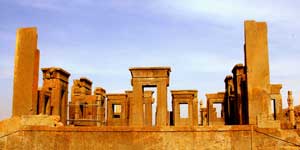
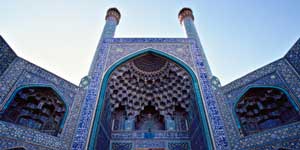

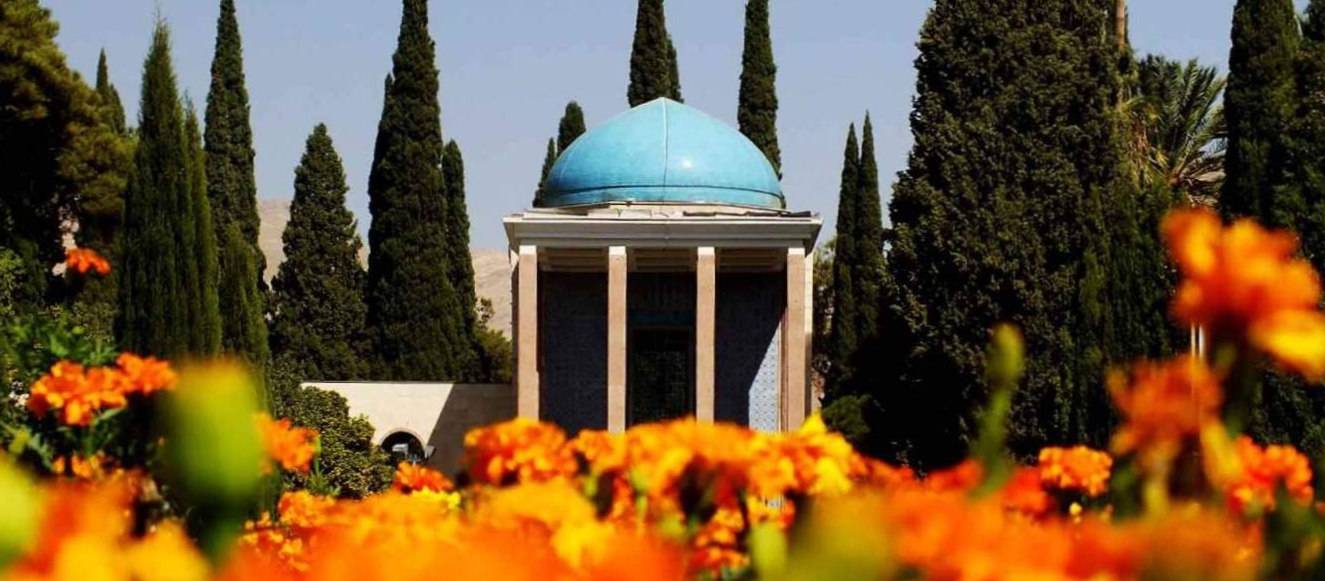
Surprise birthday in Hafezieh

Qeshm Island is the largest island in the Persian Gulf and one of the most fascinating destinations in southern Iran. Located in the Strait of Hormuz, Qeshm is known for its dramatic geological landscapes, mangrove forests, traditional villages, coastal scenery, and unique island culture.
For travelers, Qeshm offers an experience that is very different from Iran's historic cities. Instead of palaces and monumental architecture, the island is about extraordinary natural landscapes, fishing villages, traditional wooden boats, local food, marine life, and the distinctive culture of the Persian Gulf.
Here are some interesting facts about Qeshm that can help you understand this remarkable island before visiting it:
1. Qeshm is the largest island in the Persian Gulf. It lies strategically in the Strait of Hormuz and is part of Hormozgan Province. Its location has made it an important place for trade and maritime activity for centuries.
2. Qeshm has had different names throughout history. During the Sassanid period, the island was reportedly known as "Abarkan," meaning "large island." From the Safavid period onward, the name Qeshm became increasingly common in historical and geographical sources.
3. Qeshm is larger than many people imagine. The island covers around 1,500 square kilometers, making it considerably larger than Bahrain. Its size allows travelers to explore a surprisingly diverse range of landscapes in a single destination.
4. Qeshm became a Free Zone. The island was designated a free economic zone, contributing to its development as a commercial and tourism center. Dargahan, in particular, is known for its shopping centers and commercial activity.
5. Qeshm is made up of very different landscapes. Travelers can find rocky coastlines, salt formations, valleys, caves, desert-like terrain, palm groves, mangrove forests, and traditional coastal villages across the island.
6. Qeshm has a warm climate throughout most of the year. Summers are extremely hot, while the cooler months from late autumn through early spring are generally much more comfortable for sightseeing and outdoor activities.
7. Winter is one of the best times to explore Qeshm. The island's mild winter weather makes it particularly attractive for travelers who want to escape cold weather elsewhere and enjoy outdoor activities such as hiking, boating, photography, and exploring coastal landscapes.
8. Qeshm has a distinctive local dialect and culture. Persian is the main language, while the local speech of Qeshm reflects the island's long history of interaction with communities around the Persian Gulf, including influences from Arabic, Indian languages, and English.
9. Palm trees are an important part of the island's agricultural landscape. Thousands of date palms grow across Qeshm, and several varieties of dates are produced locally. Dates are also an important part of traditional island cuisine.
10. Fresh water has always been precious on Qeshm. Because of the island's dry climate, natural freshwater resources are limited. Traditional communities developed different methods of collecting and storing water to survive in this challenging environment.
11. The Hara mangrove forests are one of Qeshm's natural treasures. These mangrove forests grow in the tidal waters around the island and create a unique ecosystem. Boat trips through the mangroves are among the most memorable experiences for visitors to Qeshm.
12. Qeshm is an important destination for nature lovers. The island's coastal and marine ecosystems support a variety of birds and other wildlife. Depending on the season, travelers can enjoy birdwatching and explore the island's wetlands, mangroves, and coastline.
13. Qeshm is famous for its extraordinary geological formations. Valleys, salt formations, caves, cliffs, and unusual rock structures can be found throughout the island. The landscape makes Qeshm particularly attractive to photographers, hikers, and travelers interested in geology.
14. Qeshm is home to Iran's first geopark. A geopark is an area recognized for its important geological features as well as its natural, cultural, and sometimes archaeological heritage. Qeshm's diverse geological landscape is one of the main reasons the island has become internationally known among nature travelers.
15. The island has important salt resources. Salt and other mineral resources have historically contributed to the local economy. Namakdan Salt Cave is one of the island's best-known geological attractions.
16. Qeshm has a strong fishing tradition. Fishing remains an important part of life in many coastal communities. Visitors can see traditional fishing boats, meet local fishermen, and experience the close relationship between island communities and the sea.
17. Lenj boats are part of Qeshm's maritime heritage. These traditional wooden vessels were built by skilled local craftsmen and were historically used for transportation, trade, and fishing throughout the Persian Gulf.
18. Qeshm has a distinctive traditional culture. Music, wedding ceremonies, clothing, food, and maritime traditions reflect centuries of interaction between Qeshm and other communities around the Persian Gulf and the Indian Ocean.
19. Traditional music plays an important role in island celebrations. One example is the traditional "Azwa" music associated with weddings. Music accompanies the wedding procession as it moves through the local community toward the bride's home.
20. Qeshm has also attracted filmmakers and photographers. Its unusual valleys, dramatic coastlines, and distinctive villages have provided striking locations for films and visual projects. The Chahkuh Valley is particularly famous for its dramatic scenery.
For travelers, the real attraction of Qeshm is the combination of nature, geology, sea, wildlife, and local culture. Exploring the mangroves by boat, walking through geological valleys, visiting fishing villages, tasting local seafood, and discovering traditional maritime life can make Qeshm one of the most memorable stops on a journey through southern Iran.



Relaxing in mesmerizing nature of Iran in the summertime and enjoying the beautiful weather in Yilaq which means a place where you live in the summer.
Going in-depth in Iran, visiting all the main hot spots plus visits to Hamedan, Ali Sadr cave, Qazvin, and finally the hot springs and the amazing nature of Sarein
Tehran > Shiraz > Yazd > Isfahan > Abyaneh > Hamedan > Qazvin > Anzali > Sarein
A quick visit to two main cities of old Iran, Shiraz, and Isfahan, quickly but magnificently. Both the cities have international airports for more flexibility.
Isfahan > Shiraz
The must-see route in Iran, we will visit most of the major historical sites. Best tour to get if this is your first time traveling to Iran.
Tehran > Shiraz > Yazd > Esfahan
Short trip through the three major touristic cities of Iran to catch a glimpse of the beauty of the country. You can fly between the cities with lots of daily flights, also great quality private cars, trains, and buses are available.
Tehran >  > Shiraz >
  > Isfahan
Tehran > Ahvaz > Suse > Shiraz > Bavanat > Yazd > Esfahan > Golpaygan > Hamadan > Kermanshah
17 Days
A more thorough itinerary with emphasis on getting to know the history of Iran with a bit of nature to enjoy.


We visited Iran last April and had a wonderful time. The country is very different to how the western media portray it. It feels very safe, prosperous and relaxed. There are many women working and many men who are very involved in child care. There is no sign of religious oppression and everyone seems to tolerate a wide range of dress codes from the western to the traditional.
First of all allow me to wish you and your families and all of those at Gardeshgaran Travel Agency a very happy and prosperous Norooz. I hope that this New Year brings to you all the best in happiness and health and prosperity.
I wanted to take some time while my thoughts are still fresh to give you some feedback on our recent tour in Iran. As you know this is my third time touring and also my third time working with your agency. I was very pleased with the attention that you have given me in my need for information.
After being home for almost one week I would like to take the time to thank you again very much for your help and support you gave us in Iran.As you probably realized, we had to change and shorten our travel plan in Iran for personal reasons.
But despite the short time we spent there, we had a wonderful and unforgettable holiday.
Just a little note of thanks to you and your company for the lovely gift that you sent me via Mr Colin MIller.
As I live in a different town to Mr Miller I don't get to meet with him very often but he did phone me when he returned from his holiday and said he had a gift for me from your company so two weeks ago I visited his town and he gave me the gift..
After coming back to Romania from our long journey in Iran we would like to thank you a lot for all your efforts to make our holiday in your beautiful country a great one. We saw a lot of wonderful places and met very nice and interesting people. Iran is indeed a country worth while travelling through! We are very grateful to you for the perfectly organized route and for the reliable and highly professonal guides and drivers.
After coming back to Romania from our long journey in Iran we would like to thank you a lot for all your efforts to make our holiday in your beautiful country a great one. We saw a lot of wonderful places and met very nice and interesting people. Iran is indeed a country worth while travelling through! We are very grateful to you for the perfectly organized route and for the reliable and highly professonal guides and drivers.
Our holding as one of the most innovative, pro-active retail travel companies in the country works in the fields of incoming, outgoing, education, ticketing, and a major supplier of discounted domestic airfares in three branches.
Feel Free to Contact us for any reason. Consult with our travel guides for free.
Tel : +98 939 339 6969
Also on Whatsapp
Email : [email protected]




Iran Travel Expert
Is there anything I can help you with?.
09.00