
Surprise birthday in Hafezieh

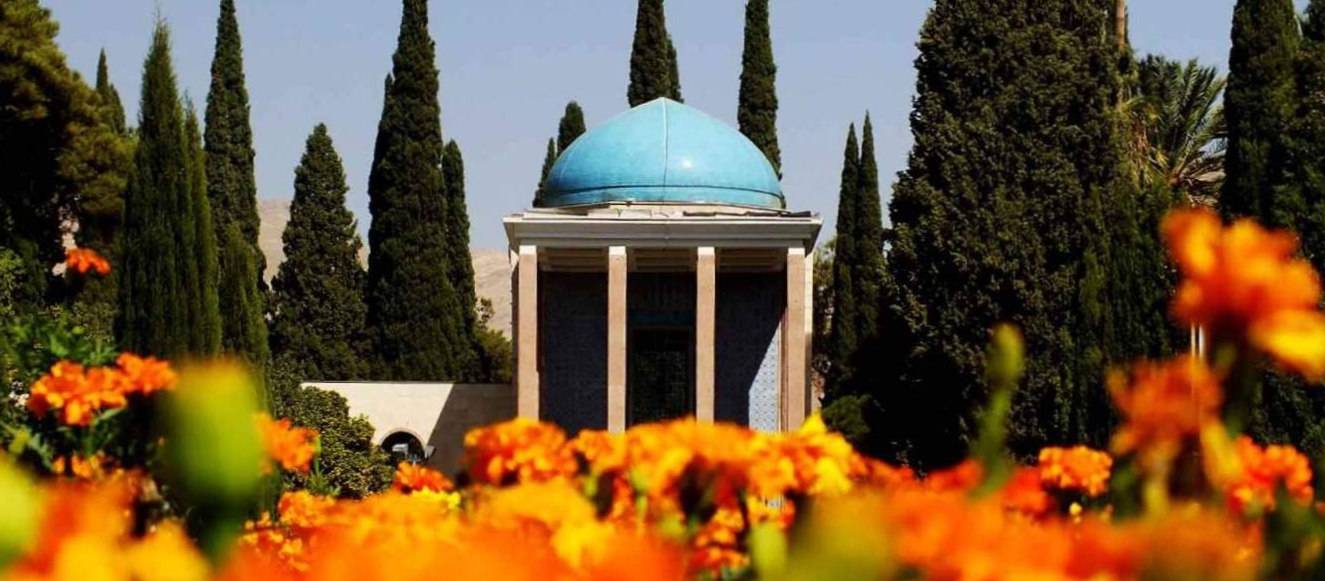
Yazd is one of Iran's most fascinating desert cities, where ancient Persian traditions, remarkable architecture, and everyday life have adapted to one of the country's harshest environments. Located between the Dasht-e Kavir and Dasht-e Lut deserts, Yazd is famous for its windcatchers, qanats, mud-brick buildings, narrow alleys, traditional houses, and Zoroastrian heritage.
For travelers, Yazd offers a completely different experience from Iran's larger cities. Walking through its historic neighborhoods, exploring traditional houses and bazaars, visiting Zoroastrian sites, and discovering how people have lived with limited water for centuries are some of the highlights of a visit to Yazd.
Here are some interesting facts about Yazd that will help you understand this remarkable desert city before visiting it:
1. The name "Yazd" has ancient roots. The name is believed to be connected with ancient Persian words such as "Yasht," "Yazt," and "Yasen," associated with praise, prayer, worship, and God. The city has also been known by historical names such as Isatis and Dar al-Ebadah.
2. Yazd became known as the "City of Worship." After the arrival of Islam, Yazd developed a strong Islamic identity. During the Seljuk period, the city became associated with the name Dar al-Ebadah, meaning "House of Worship."
3. Yazd is the capital of Yazd Province. The city lies in a broad, dry valley surrounded by mountains, including the Shirkuh range. Its location has played an important role in shaping its climate, architecture, and traditional way of life.
4. Yazd has a history dating back to ancient Persia. The region was already an important settlement long before modern Iran existed, and its history extends through several major periods of Persian civilization, including the Sassanid era.
5. Yazd developed as a desert city by adapting to its environment. Water has always been precious here. For centuries, local communities developed ingenious ways to collect, transport, store, and cool water, allowing a large settlement to flourish in an extremely dry environment.
6. Qanats are one of the secrets behind Yazd's survival. These underground water channels transported water from distant sources to the city without relying on modern pumps. Some of Yazd's traditional neighborhoods, gardens, and houses were designed around this ancient water-management system.
7. Windcatchers are one of Yazd's most recognizable features. These traditional structures, known as badgirs, were designed to capture moving air and direct it into buildings. Combined with thick walls, courtyards, and underground spaces, they helped keep houses comfortable during the hot summer months.
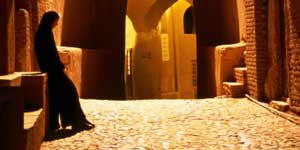
8. Much of historic Yazd is built with mud brick. The use of earth and mud brick was practical in the desert environment and created the distinctive golden and ochre appearance of the old city. Narrow streets and interconnected buildings also helped protect pedestrians from the intense summer heat.
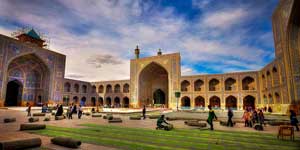
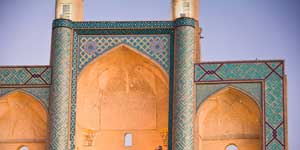
9. Yazd is famous for its historic urban fabric. Walking through the old city is one of the best ways to experience Yazd. Travelers can discover narrow lanes, traditional houses, courtyards, old bazaars, mosques, water reservoirs, and beautifully decorated entrances almost around every corner.
10. Yazd is one of the most important Zoroastrian centers in Iran. A significant Zoroastrian community has lived in Yazd for centuries. Visitors can learn more about this ancient Iranian religion by visiting Zoroastrian heritage sites and discovering traditions that have survived for generations.
11. Yazd's traditional architecture was designed for the desert. Thick walls, shaded courtyards, windcatchers, underground rooms, qanats, and carefully planned streets were not simply decorative features. They were practical solutions for living with extreme heat and limited water.
12. Yazd has long attracted scholars and intellectuals. During periods of political instability and invasion, Yazd's relative security helped attract scholars, writers, craftsmen, and other educated people. The city consequently became an important center of Persian intellectual and cultural life.
13. Yazd is home to a diverse religious heritage. Most residents are Muslim, while the city is also home to a historic Zoroastrian community and smaller Christian and Jewish communities. This diversity is an important part of Yazd's cultural identity.
14. Yazd is known for its traditional handicrafts. Visitors can find locally produced textiles, Termeh, carpets, metalwork, sweets, and other traditional handicrafts. Exploring the old bazaars is therefore not only a shopping experience but also a way to discover local craftsmanship.
15. Yazd has a strong textile and carpet tradition. Traditional weaving has played an important role in the local economy for generations. Travelers interested in Persian handicrafts can visit workshops and see how traditional fabrics and carpets are designed and produced.
16. Yazd is famous for its sweets. The city is particularly well known for traditional sweets such as Qottab, Baklava, Loz, and other local confections. A visit to Yazd is therefore also an opportunity to explore an important part of Persian culinary culture.
17. Yazd has a hot and dry desert climate. Summers can be extremely hot, while winter nights can become surprisingly cold. The difference between daytime and nighttime temperatures can also be significant, especially outside the city.
18. Yazd's location makes it an excellent base for exploring the desert. From the city, travelers can arrange excursions into surrounding desert landscapes, visit traditional villages, experience desert sunsets, or spend a night in a desert camp.
19. Yazd offers a slower and more atmospheric travel experience. Compared with Iran's largest cities, Yazd is particularly enjoyable on foot. Exploring its old neighborhoods, stopping at a traditional teahouse, visiting a historic house, and watching the city change color around sunset can be just as memorable as visiting its major monuments.
20. Yazd is a city where history is still part of everyday life. Perhaps the most interesting thing about Yazd is that its historic architecture and ancient solutions are not simply preserved as museum pieces. Traditional houses, bazaars, religious buildings, qanats, windcatchers, and old neighborhoods continue to shape the character of the city and make Yazd one of the most distinctive destinations in Iran.


Relaxing in mesmerizing nature of Iran in the summertime and enjoying the beautiful weather in Yilaq which means a place where you live in the summer.
Going in-depth in Iran, visiting all the main hot spots plus visits to Hamedan, Ali Sadr cave, Qazvin, and finally the hot springs and the amazing nature of Sarein
Tehran > Shiraz > Yazd > Isfahan > Abyaneh > Hamedan > Qazvin > Anzali > Sarein
A quick visit to two main cities of old Iran, Shiraz, and Isfahan, quickly but magnificently. Both the cities have international airports for more flexibility.
Isfahan > Shiraz
The must-see route in Iran, we will visit most of the major historical sites. Best tour to get if this is your first time traveling to Iran.
Tehran > Shiraz > Yazd > Esfahan
Short trip through the three major touristic cities of Iran to catch a glimpse of the beauty of the country. You can fly between the cities with lots of daily flights, also great quality private cars, trains, and buses are available.
Tehran >  > Shiraz >
  > Isfahan
Tehran > Ahvaz > Suse > Shiraz > Bavanat > Yazd > Esfahan > Golpaygan > Hamadan > Kermanshah
17 Days
A more thorough itinerary with emphasis on getting to know the history of Iran with a bit of nature to enjoy.


We visited Iran last April and had a wonderful time. The country is very different to how the western media portray it. It feels very safe, prosperous and relaxed. There are many women working and many men who are very involved in child care. There is no sign of religious oppression and everyone seems to tolerate a wide range of dress codes from the western to the traditional.
First of all allow me to wish you and your families and all of those at Gardeshgaran Travel Agency a very happy and prosperous Norooz. I hope that this New Year brings to you all the best in happiness and health and prosperity.
I wanted to take some time while my thoughts are still fresh to give you some feedback on our recent tour in Iran. As you know this is my third time touring and also my third time working with your agency. I was very pleased with the attention that you have given me in my need for information.
After being home for almost one week I would like to take the time to thank you again very much for your help and support you gave us in Iran.As you probably realized, we had to change and shorten our travel plan in Iran for personal reasons.
But despite the short time we spent there, we had a wonderful and unforgettable holiday.
Just a little note of thanks to you and your company for the lovely gift that you sent me via Mr Colin MIller.
As I live in a different town to Mr Miller I don't get to meet with him very often but he did phone me when he returned from his holiday and said he had a gift for me from your company so two weeks ago I visited his town and he gave me the gift..
After coming back to Romania from our long journey in Iran we would like to thank you a lot for all your efforts to make our holiday in your beautiful country a great one. We saw a lot of wonderful places and met very nice and interesting people. Iran is indeed a country worth while travelling through! We are very grateful to you for the perfectly organized route and for the reliable and highly professonal guides and drivers.
After coming back to Romania from our long journey in Iran we would like to thank you a lot for all your efforts to make our holiday in your beautiful country a great one. We saw a lot of wonderful places and met very nice and interesting people. Iran is indeed a country worth while travelling through! We are very grateful to you for the perfectly organized route and for the reliable and highly professonal guides and drivers.
Our holding as one of the most innovative, pro-active retail travel companies in the country works in the fields of incoming, outgoing, education, ticketing, and a major supplier of discounted domestic airfares in three branches.
Feel Free to Contact us for any reason. Consult with our travel guides for free.
Tel : +98 939 339 6969
Also on Whatsapp
Email : [email protected]




Iran Travel Expert
Is there anything I can help you with?.
09.00