

Surprise birthday in Hafezieh

Iran is a beautiful and ancient country, which once had the largest empire in the world and is located in southwest Asia and the Middle East.
Iran is bounded on the north by the Republic of Azerbaijan, Armenia, Turkmenistan, and the Caspian Sea, on the east by Afghanistan and Pakistan, on the west by Turkey and Iraq, and on the south by the Persian Gulf and the Sea of Oman, with the Persian Gulf and the Sea of Oman.
They are one of the most important oil and gas extraction regions in the world. The 86 million people of this country speak Persian and their official religion is Islam. The most prominent religious minorities in the country are Zoroastrians, Armenian Christians, and Jews. Various races such as Lor, Kurds, Turks, Gilak, Baluch, etc. are also among the races of this beautiful and ancient land.
The word Iran means the Aryan land and the Aryan race that have an important share in world history. The Aryans called their land Irioshi Nam, meaning the dwellings of the Aryans, and later, when they formed a government and a kingdom, they named their homeland Iriano Khashtar, meaning the kingdom of the Persians. This name later became Iran Camel and Iranshahr, which are abbreviated to Iran.
The history of this country, unlike other powerful countries, is not full of murder and looting as well as decolonization, but it has been based on justice and freedom more than anything else. Iran is more than 2500 years old and more than 7000 years old and it can be said that one of the oldest civilizations in the world was formed in Iran and went to the west.
Iranians have many customs and traditions, the most important of which are the New Year and of course Nowruz. These days, when the first season of spring begins and after the end of winter, Iranians have a custom of wearing new clothes and going to visit relatives and acquaintances, and first of all the elders.
Another etiquette that Iranians have is giving flowers and gifts on different occasions of the year.
Iranians have made many compliments. They are famous. This means that any compliments that are made are not acceptable.
Iran has a diverse climate. A country with 4 seasons in the northwestern part, cold winters with heavy snowfall and temperatures below zero degrees. Spring and autumn are relatively mild in this part and in summer the weather is warm. In the south, winters are mild and pleasant and summers are very hot, so that the temperature in August "July" rises above 38 degrees and in the desert parts of the country reaches 50 degrees.
Iran is known as one of the safest countries in the Middle East . But to prevent theft and pickpocketing , watch out for your expensive personal items and supplies in crowded places, especially markets .
Tap water is drinkable in Iran. You can also safely drink tap water in parks unless there is a non-drinkable sign on drinking fountains or public places.
To obtain an Iranian tourist visa at the airport, countries other than nationals of the United States , the United Kingdom , Canada , Colombia , Somalia , Bangladesh , India ,Pakistan , Afghanistan , Jordan and Iraq can receive Iranian airport visas , and the mentioned countries must go to the Iranian consulate and enter Iran before entering Iran.
Citizens of Egypt , Georgia , Bolivia , Azerbaijan , Turkey , Lebanon and Syria can enter Iran without an Iranian visa and only with a valid passport .
Tehran is the metropolis and capital of Iran and also the twenty-fifth most populous city in the world. The city leads to mountainous areas from the north and desert areas from the south, and as a result, it has a different climate in the north and south. The city is composed of an amazing combination of modernity and traditional structure. The city of Tehran, a city with a history of several thousand years, which was once the city of Rey, which is considered south of Tehran today, was the capital of the Persian land. The city is a harmonious combination of old buildings, magnificent mosques, luxurious mansions, refined parks, and modern buildings. Although it is not a historical city, but the different and unique attractions of this city are worth visiting and experiencing.
Mashhad is the second-largest city in Iran and one of the most important cities in this country. Due to having the eighth Imam of the Shiite religion, this city receives many tourists every year. Today, this city is known as one of the busiest cities in Iran and the Middle East in terms of tourism. Perhaps the main purpose of traveling to Mashhad is a pilgrimage, but the existence of recreational and tourist attractions next to cafes and restaurants as well as colorful markets has increased the attractiveness of traveling to this city and has made Mashhad one of the most spectacular and historical centers of Iran.
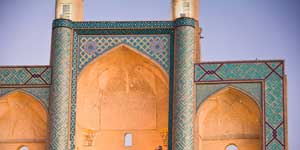
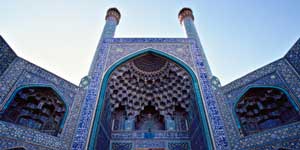
The turquoise jewel of the world means the beautiful city of Isfahan, which is an ancient city in the center of Iran and is the third most populous city in the country after Tehran and Mashhad. Isfahan is also the second most visited city after Mashhad and attracts many tourists every year. This city with its beautiful Islamic architecture, palaces, covered bridges, mosques, and unique minarets made it famous in Iranian culture as half of the world. Take on. Whether you are buying traditional accessories and clothes, or you are traveling and immersed in ancient and historical monuments, as well as cafes, this city has special programs for you.
Shiraz is another one of the most important and spectacular cities in Iran. The city is known as the city of lovers and is considered by many tourists as the tourist jewel of Iranian cities. It is safe to say that Shiraz is one of the most beautiful cities in Iran and the birthplace of great poets such as Saadi and Hafez. The city's many historical and natural attractions have attracted many tourists to enjoy its beauty up close. In this city, one should look for the history of the Aryans between its buildings and its streets.
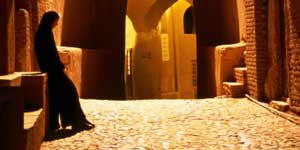
Yazd, is the first brick city in the world and the second historical city after Venice, Italy. Hearing these two features is enough for the city of Yazd to become one of the main tourist destinations in Iran. The city attracts many travelers with countless historical monuments. If you are looking for a historical and quiet city and most importantly for adventure, Yazd is one of the most important cities.
Kish, the pearl of the Persian Gulf and the beautiful Iranian island located in the south of the country. It has a beautiful and unique nature and calm beaches covered with coral sands and clear seawater that allows you to see all kinds of fish in the depths. Many travelers travel to this island every year to enjoy its nature and tranquil atmosphere along with its recreational and tourist attractions.
Kermanshah, Bushehr, Ardabil, Tabriz, Kashan, Urmia, Kerman, the northern regions of the country, and many other cities are among the most important and spectacular cities in Iran.
Iran is very beautiful and has all the natural attractions and most importantly history in its heart. From the sea and the forest to desert and mountainous areas that can cater to any taste and be exciting. Whatever you are from, you will not get bored in this country. Rich history, unique nature and many attractions that are attractive to every class.
The city of Tehran , which is the metropolis of Iran , along with its hustle and bustle, has many recreational and tourist attractions that can entertain tourists. Feel the traffic under your feet to get started. Walk on the nature bridge , which has only pedestrians and no cars, and look at the crowds from above. This beautiful bridge, which connects the two water, fire and Taleghani parks, is one of the entertainments of Tehran with its calm atmosphere, various cafes and restaurants.
Visit the historical houses of Tehran.
There are many old houses in Tehran that have been turned into museums or places of interest and entertainment, and most importantly, they make you feel good. Houses whose doors and walls, courtyards and vases have words that can be heard in absolute silence and tranquility. Tehran Golestan Palace is a clear example of Tehran's beautiful gardens. This palace, which is located in Arg Square , is a relic of the historical citadel of Tehran, the residence of the Qajar kings and one of the most beautiful and ancient buildings of two hundred years in Iran. This garden has beautiful halls with unique masonry that can dazzle you for a long time. The area has special tranquility and the cafe inside is ready to host you with relaxing drinks.
Have a different purchase from the butterfly market . A market that is a place to park cars on weekdays, but on Fridays, there is no news about their parking, and Friday is a market ! Many vendors sell a variety of traditional and handmade accessories on the floors of this parking lot, so the market is very attractive and is offered to enthusiasts and fans of antiques and traditional dishes and clothes.
After sightseeing in the city center and Jomhouri Street , head to Naderi Cafe and get drunk on the taste and smell of its pure coffee. Naderi Cafe , an old and original cafe in one of the most memorable streets of Tehran, namely Jomhouri Street , which takes customers to distant years with its Polish table chairs and old space, as well as its old barista. This cafe is one of the first cafes in Tehran and was established in 1306. A unique cafe that is said to be the first glass café in Iran served here. So invite yourself to this cafe for a great drink.
After visiting the historical and old houses of Tehran, visit Milad Tower , a giant Iranian structure.
This tower, which became one of the symbols of Tehran after the beautiful Azadi Tower, attracts many travelers, both Iranian and foreign, with its many entertainments and entertainments. Milad Tower , a skyscraper that took 11 years to build and could be the pride of Iran and Iranians. Shopping center , restaurant , open view platform , museum of celebrities , sky dome , conference hall and concerts, etc. are some of the recreational and entertaining facilities of Milad Tower .
Isfahan is a historical and beautiful city that nails its travelers. Isfahan is definitely one of the cities in Iran that has many cultural, artistic and historical attractions. The attractions and sights of this city are countless, but in this article we will mention some of the most visited.
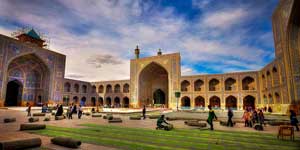
The whole city of Isfahan on one side and this beautiful square on the other. A beautiful world square that connects a series of historical monuments and welcomes many tourists every year. This square and its outskirts, which include the Shah Mosque , Sheikh Lotfollah Mosque , Aali Qapo Mansion , Qaisaria Bazaar and many old and beautiful bazaars, were built during the Safavid period. Naghsh Jahan Square , which was one of the largest squares in the world in the 11th century, has been registered as a national monument and is one of the first UNESCO World Heritage Sites .Has been registered. This beautiful square is currently known as one of the main historical attractions of Isfahan and hosts a huge flood of tourists every year. A perfect place to immerse yourself in beautiful antiquities, eye-catching traditional markets and old cafes in the market corridors.
Vank Church , the Armenian Cathedral built during the reign of Shah Abbas II, is also very beautiful and spectacular. Vank is one of the most beautiful churches in Isfahan in terms of gilding the roof and the surface inside the dome and historical paintings. Inside and all the walls around it, it is decorated with oil paintings and gold water in the Iranian style and images of the life of Christ. This church has a huge dome and beautiful arched walls and it is recommended to visit all travelers in Isfahan.
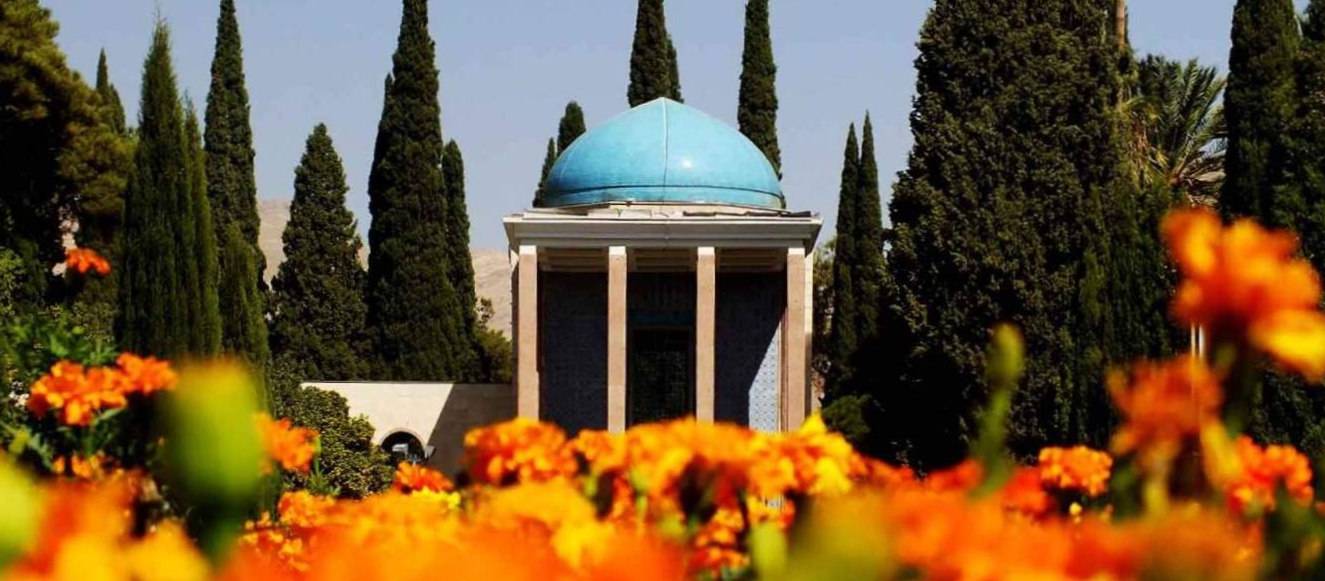
Blessed are Shiraz and its unparalleled condition. God forbid its decline ... Hafez
خوشا شیراز و وضع بیمثالش. خداوندا نگه دار از زوالش
This is a poem that Hafez wrote in the description of Shiraz, which is known as the city of lovers .
It is safe to say that Shiraz is one of the most spectacular cities in Iran. It also has many historical and natural attractions that are a must-visit for any tourist. To get acquainted with the history of Iran, you can start your visit to Persepolis and Pasargad , which are outside the city of Shiraz.
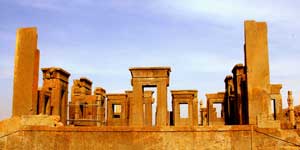
Persepolis , which was built by Darius I, the "third king of the Achaemenid dynasty", was not completed until the Shah's death, and construction continued during the reigns of Xerxes and Ardashir I. This monument has a huge and spectacular structure and tells the ancient history of Iran and Iranians in its own way.
The beautiful and colorful Nasir al -Molk Mosque , which was built by order of Mirza Hassan Ali, one of the great men of the Qajar dynasty , is also one of the unique sights of Shiraz . A unique and eye-catching mosque which is located in Good Arab neighborhood, south of Lotfali Khan Zand Street, and it can be said that it is one of the most beautiful mosques in Shiraz. It is tourism.
Take a walk in the city gardens. A garden such as Eram , which is known as one of the most beautiful gardens in Iran and today is a botanical garden for Shiraz University . The main building of this garden was owned by a family , but during the reign of Nasser al-Din Shah , Haj Nasir al-Molk Shirazi bought the garden and built the main building inside it. Soaring cedars, citrus trees and waterfalls are also very eye-catching.
Afifabad Garden or Golshan Garden is also one of the most beautiful gardens in Shiraz. This garden was one of the most important promenades of kings during the Safavid period and was used by Safavid kings. Golshan garden is located in the aristocratic region of Shiraz and was built by Mirza Ali Mohammad Khan Ghavam-ol-Molk II. The Royal Palace , the Museum of Ancient Weapons and the Persian Garden are located in the Golshan complex and are ready to host the general public.
Walk around the market and buy. This bazaar was built by order of Karim Khan Zand right in the center of Shiraz . The paths inside this bazaar intersect, so right in the middle of the bazaar there are four or four long souks with five large doors as well as four inns . The wide market path, in addition to its stunning architecture , has created a lovely historical monument. Although it is more than two hundred years old, but it does not have the slightest gap and is considered one of the architectural masterpieces .
Visiting the Zoroastrian fire temple is also obligatory in the list of every tourist.
The Yazd Fire Temple or the Zoroastrian Fire Temple is the place where the sacred Zoroastrian fire is kept in the city of Yazd . This large and sacred fire is kept inside a large bronze chamber, and "Hirbod" is responsible for keeping it lit. Visiting the fire This fire temple, which has been burning for more than 1,500 years, is open to the public, but only from behind a glass wall.
This fire is a fire from the fire of the Karian fire temple in Larestan , which was brought to Aqda in Yazd and kept there for nearly 700 years . At the end of the year 852 from ArdakanHe was taken to Yazd and kept in the house of one of the great clerics named "Azarbashsab shooter cleric" and in 1313, after the construction of this fire temple , he was taken inside. Spend a few hours in Dolatabad Garden .
This beautiful garden is 260,270 years old and was built by order of Mohammad Taghi Khan Bafghi and is a relic of the Afshari and Zandi eras . This garden is extremely beautiful and eye-catching and has increased its fame due to the existence of the tallest windmill in the world . This wind deflector is 33 meters high and keeps the surrounding air conditioner cool. This famous garden and its world windmill are one of the most famous and beautiful sights of Yazd.
Yazd Grand Mosque is one of the most extraordinary and unique buildings in the history of Iran that has been able to fascinate and fascinate many enthusiasts. This amazing work consists of a high porch, two naves, two greenhouses, two footsteps and a large courtyard, which shows the interesting architecture and design of ancient Iran . Six entrances are intended to enter this large mosque , which is embedded in different parts of it.
Famous Amir Chakhmaq Square
This square is a collection of the most famous of Yazd , which consists of a bazaar , reliance , mosque and water reservoir and dates back to the Timurid period, ie the 9th century AH. Take a walk in this beautiful collection and visit the relics. In the end, you can go to one of the cafes or restaurants around the area and get tired and make souvenirs
Kerman is one of the most beautiful cities in Iran , which has about 7,000 historical attractions and 700 of these beautiful works have been registered in the list of national works. Also, this city is one of the 5 historical cities of Iran.
Ganjali Khan Complex is one of the most spectacular works in Kerman and is located right in the old center of Kerman . This complex, which has several different buildings, is a relic of the Safavid era. Ganjali Khan Square , which is rectangular, has beautiful buildings around it. Ganjali Khan BazaarThis complex has a spectacular and extremely attractive architecture that even makes your walk enjoyable. Another part called the bath has become an anthropological museum today and is very attractive and spectacular. Ganjali Khan Mint , which has also been turned into a coin museum , has collected a collection of old coins to entertain its fans. Other parts of this complex include water storage , school , caravanserai and Ganjali Khan House.
In the northeastern part of Bam city , on a huge rock, a very large and beautiful castle stands out and is known as Bam citadel . This citadel is one of the most important and historical military forts in the country and attracts many tourists every year. This citadel is the largest brick structure in the world , which unfortunately is known as the largest brick ruin in the world after the earthquake, but it is still majestic and full examples of Iranian architectural style can be seen in it. This structure is one of the most important and spectacular attractions of Kerman .
Visit the Rhine Citadel , which is the second-largest brick building in the world . This brick building is somewhat similar to Bam Citadel and has a hill on it. The Rhine dates back to the Sassanid period and was one of the strongholds of Mirza Hussein Khan during the reign of Zandieh. This castle is very spectacular, so many tourists visit this beautiful building every year.
Kish is one of the most beautiful islands in the Persian Gulf and one of the sights of Hormozgan province in southern Iran with many recreational and tourist attractions that fascinate every traveler. Kish Island is a unique island with a calm beach and coral sands that make it possible to see fish at depths of several meters. No one will get bored on this island . From water sports to historical attractions that cater to every taste.
For a tour of the historical attractions, try to head to the Greek shipwreck at sunset or sunrise . According to the natives of the island , on one of the hot summer days in 1345, they saw a huge structure that was sitting in the mud and did not move. Although this ship has no historical antiquity and time has worn it out, but it has beautified the coast of Kish Island . Not only the Greek ship but also watching the sun set as it slowly sets behind it in the azure waters of the Persian Gulf creates an unforgettable and eternal memory. Sunlight with a range of yellow, red and orange colors, a beautiful and imaginative painting behind creates a ship like no other.
Along the harbor buildings are the remains of an 800-year-old city with signs of a city with all amenities, from baths to aristocratic mansions and workshop and industrial sections. This old part takes travelers to 800 years ago and is considered one of the spectacular attractions of the beautiful island of Kish . So walk in its paths and enjoy the space.
The underground city of Kariz is located at a depth of 16 meters above the ground, with a history of more than 2500 years in the heart of the only coral island in the world, Kish. The height of this underground city is 8 meters and it has become one of the spectacular attractions of the island.
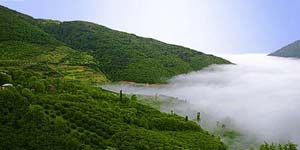
The shores of the Caspian Sea (Caspian), Anzali Wetland and Masouleh are some of the sights of this area. Masouleh mountainous area in Gilan province, which includes about 30 small and large settlements. The houses are built using wood and wooden lattice windows overlooking each other at the foot of the mountain.
One of the natural attractions of this area is Si Sangan Forest Park, which is located in the east of Nowshahr city. In this forested area, facilities such as wooden tables and benches, toilets, wooden pavilions, fire stoves and tents have been built to accommodate travelers, which, of course, is insufficient for the large number of travelers.
Another prominent natural attraction in northern Iran is Golestan National Park, which is located between Gonbad Kavous and Bojnourd. In this park, like the national parks of other countries, there is an area dedicated to the recreation area, which is visited by hundreds of thousands of people every year. Overcrowding of tourists in the recreation centers of this area causes damage to the vegetation and abnormal escape and movement of animals and causes pollution.
The southern coasts of Iran
The shores of the Persian Gulf and the Strait of Hormuz are suitable for leisure, especially in winter, due to the warm climate. The magical mangrove forests on the shores of Bandar Abbas, which go halfway underwater during fashion and emerge from the water at low tide, are among the sights of this area.
Central areas
The city of Tehran has a variety of tourism, including tourist attractions leftover from old Tehran such as the Freedom Tower complex or art tourism such as visiting various museums such as the Iranian Carpet Museum and…, visiting cultural/historical sites such as Saadabad Museum Palace, a wide variety of Facilities for walking and green space with facilities such as Jurassic Park Tehran and…, and sports tourism with facilities such as Shahran paragliding in Kuhsar Forest Park or spaces such as Pardisan Forest Park, scientific tourism by visiting the Museum of Time (time spectacle) or places Such as Zafaranieh Observatory, places of commercial gatherings such as the permanent location of Tehran International Exhibitions, and other entertainment places such as Milad Tower and Eram Park, which are all able to attract their own tourists.
West and northwest regions
The Alborz and Zagros heights, which are covered with snow during the winter, form winter sports fields. In summer, the slopes of these heights with temperate climate, beautiful natural landscapes, waterfalls, springs and natural caves become attractive areas. Lorestan and mountains and oak forests and beautiful waterfalls and slopes of Shahu and Abidar in Kurdistan as well as the slopes of Sabalan and Sabalan In Azerbaijan, Maragheh and Sarab, Ardabil and Meshginshahr, Damavand region is in Alborz and is one of the main areas for attracting travelers in summer. Abali, Dizin, Shemshak and Tochal in the Alborz highlands can be mentioned as important areas of winter sports in Iran.
Mineral water is one of the factors in the development of tourism in any area. Looking at the distribution map of mineral water springs, we see that most of these springs are concentrated in geologically active areas such as Meshginshahr, Sarein, Maragheh, Larijan, Avaj and..
In general, waterfalls, springs and spas, natural and green areas are among the tourist and beautiful places of northwestern Iran, which are scattered in cities such as Sarab, Sarein, Meshginshahr, Namin and areas such as Azerbaijan, Ardabil and Kurdistan.
In Iran, religious centers and holy places are the most important tourist attractions. The city of Mashhad is the most important religious center of the country due to the presence of Imam Reza (AS) court. Every year, a large number of Iranian and foreign pilgrims from neighboring and Muslim countries travel to this city. Around the holy shrine, there are several buildings, such as the courtyard of Goharshad Mosque and که, which is one of the most interesting Islamic religious buildings in terms of tiling, architecture and decorative arts. The court of Imam Masoumeh (AS) in the religious city of Qom, Prince Abdolazim Hassani in the city of Rey and Shahcheragh son of Imam Kazem (AS) in Shiraz and the court of Seyyed Jalaluddin Ashraf, brother of Imam Reza in the city of Astana Ashrafieh are among the important centers of religious tourism in Iran. They count. In the city of Mashhad, due to the volume of millions of pilgrims during holidays such as Nowruz, hotels, there are many entertainment centers and restaurants in this city.
Fars province with prehistoric buildings and monuments including lithographs of cave dwellers of Dehmord village and ancient buildings such as Persepolis, Naghsh-e Rostam and the ruins of the pool, Pasargad (tomb of Cyrus) and historical mills of Dehmord village with its fire temple and several thousand years old hill and "Post-Islamic" historical monuments such as the mosque, bath and bazaar of Vakil in Shiraz, the Quran Gate and the tombs of Hafez and Saadi are considered as the main centers of cultural and historical tourism of the country and are the cultural capital of ancient Iran. The city of Isfahan, despite Naghsh Jahan Square, Aali Qapo Mansion, Imam Khomeini Mosque, Sheikh Lotfollah Mosque, Qaisaria Bazaar, 33 bridges, Khajoo Bridge and Forty Columns Palace, is a treasure trove of various architectural, miniature, tiling and carving arts. Has been established and is known as the cultural capital of Islamic Iran. East Azarbaijan province with many historical places such as Kandovan village, Maragheh observatory, Babak Kalibar castle, Zahak castle, Red dome of Maragheh and in the city of Tabriz, which is known as the city of the first Iran and in 2018 was selected as the tourism capital of Islamic countries, with historical sites such as Tabriz Citadel (Alisha), Ail Goli Mansion, Rashidi Quarter, Kaboud Mosque, Grand Mosque, Tabriz Grand Bazaar, Poets Tomb, Municipality Palace, Qajar Museum, Constitutional Museum, Tower Firefighting, the tomb of Do Kamal, the Pottery Museum, the Azerbaijan Museum, etc. are among the tourism hubs of the country. Kermanshah province, despite the pre-Islamic historical monuments such as Paleolithic Museum, Anubani stone lithograph, Bistun inscription (the largest inscription in the world), Bostan arch, arch-oriented, Anahita temple, Hercules statue, Farhadtrash hill and hunting ground and post-Islamic historical monuments such as Abbasi Caravanserai, Tekiyeh Maval-ol-Molk, Tekiyeh Biglerbegi, Shafei Mosque, Emad Al-Dowleh Mosque, Haj Shahbazkhan Mosque and Bath, the largest traditional bazaar in the Middle East, architecture, mirror work, tiling, this province has created one of the cultural and historical tourism hubs of Iran.
Traveling to Iran by plane is the most common way that tourists choose to reach Iran. Reduced travel time, as well as the greater comfort and convenience of airline service users, are among the reasons why air travel is so popular and the first choice of tourists. Most people who buy Iran tour package come to Iran by plane. Depending on the duration of their trip and the program prepared by the tour manager, they may travel from one city to another in Iran with domestic trips or use other types of transportation in Iran.
For people who buy a tour package to travel to Iran, the ticket price is calculated on the package they bought. People who are going to travel to Iran alone should know that each airline offers a different price for air travel to Iran. Also keep in mind that the origin of your trip, ie the city from which you are going to come to Iran, is also effective in determining the cost of a ticket to Iran. The further away you are geographically, the more you have to pay. Also, if you bring luggage and hand luggage in excess of the standard that your airline considers to be the weight of your luggage, you will have to pay an overdraft penalty that is common all over the world and all flights and is not specific to Iran. . When the collective and global desire for travel is greater, such as the Christmas holidays and Nowruz in Iran, you have to pay more for the ticket.
It is important to know that in order to save costs, we suggest you to buy a return ticket to Iran. This means that it is better to determine your return time before the start of the trip and then prepare a return ticket to Iran, in this case, you will save a lot of your expenses. There are many sites that sell tickets online. Just announce your flight date to the site to be offered different flights at different prices to have the most ideal choice according to your circumstances.
Road and car travel to Iran is mostly for tourists living in neighboring countries. Also, backpackers and tourist cyclists often travel to Iran through this route. Citizens of all countries that are considered visa-free with Iran can travel to this country through the borders of Iran with documents proving their identity. . Unlike most countries in the world, the cost of bus and taxi tickets in Iran is not only not expensive, but also one of the cheapest in the world.
You do not have many options for sea travel to Iran. You can travel to Iran only from some countries and routes. There is a ferry between Iran (Bushehr port) and Kuwait. You can also reach Qeshm Free Zone by boat from Oman. There is also a ferry from Muscat to Chabahar port. The cost of these trips is almost expensive considering the distance between the origin and the destination.
First of all, let us tell you that you do not have many options for traveling to Iran by rail. Some neighboring countries can travel to Iran by international trains. International rail travel is usually used for those who are banned or restricted from using airplanes. Therefore, if you have no choice but to use trains and railways, you can reach the areas that have rail relations with Iran and enter Iran through these bases. This method takes a lot of time, but may be the best option to choose according to your circumstances and tastes.
You can enter Iran by train from Izmir, Ankara, Van and Istanbul in Turkey. From Iran to Syria and vice versa, until the last few years, there were trains that used the railway lines between Iran and Syria due to the crisis in this country. You can also enter Iran by train from Nakhchivan. The Nakhjavan train goes directly to Mashhad. There are also trains between Iran and Baku. Cheap travel to Iran by rail and also having beautiful views is one of the reasons that some people prefer to use it for their trip to Iran. There is also a train from Kuwait to Ahvaz. Keep in mind that these trains only run on a limited number of lunar days, which highlights the need to plan ahead of time. The North-South Railway of Iran with the historic Versak Bridge is world famous and has played an indirect role in World War II. You may also be interested to know that Savadkuh, Gaduk, Dougal, Versak, Sorkhabad, Tirtash and Mirjaveh train stations have been registered in the list of national monuments of Iran.
Contrary to the negative propaganda of some Western media, Iran is a safe country and does not pose a threat to citizens and tourists. In recent years, despite the rise of terrorist groups such as ISIS and the Taliban in the Middle East and some of their attacks in the heart of Europe, Iran has been spared such human rights abuses and has become known as the safe island of the Middle East. Despite the relative insecurity that prevails in the world, not a single case of widespread terrorist incident has been reported in this country.
It is common in Iranian tourist cities for locals to rent their houses to travelers. This type of accommodation may cause problems with accident insurance. Therefore, stay in places that operate under the supervision of the Tourism Organization of Iran. Licensed local hotels, guesthouses and houses are among the approved places. If you are traveling with a tour, trust your tour guide for accommodation.
Contrary to the negative publicity of some Western media, the Internet is available almost everywhere in Iran (except the depths of caves and mountains) and is very easy to access. All you have to do is get off at your mobile SIM card sales center as soon as you get off your plane and buy a SIM card for a very reasonable fee (less than $ 15). As soon as you activate the SIM card, you will have high-speed internet access and you can communicate with your family and friends with the help of audio and video applications. It seems necessary to have a passport to buy a tourist SIM card.
In Iran, 3 operators provide telecommunication and internet services. The first mobile operator and Irancell provide services exclusively to tourists, and you can use these services by purchasing a product called "Tourism SIM Card". Remember that these SIM cards are only valid for 30 days. If you want to stay longer in Iran, you can buy from Rytl SIM card operator or use other types of SIM cards of the first mobile operators and Irancell.
You can use Euros, Pounds or Dollars to pay for major travel expenses such as your accommodation or a taxi that will take you from the airport to the hotel. But for more detailed expenses, you need to convert your money into Iranian banknotes. There is a money exchange office at Iran International Airports. Hotels have the same possibility. Reputable exchange offices are also operating in all major cities of Iran, whose services you can use.
Staring at people, especially Iranian women, and kissing and hugging non-homosexuals in public places is not in line with Iranian public culture. It is also against social etiquette for men to take the lead in reaching out to Iranian women. Such cases are not very desirable in Iranian regulations. It is best to ask permission when photographing cultural landscapes, especially if it is the subject of an Iranian citizen. Iranians, like many people around the world, like their privacy to be respected.
Under Iranian law, it is not mandatory to reward a restaurant waiter or someone who takes your luggage to your hotel room. These people get paid by their employers for the services they provide. Of course, you can give a reward voluntarily. This is different for people who are going to provide you with special services, such as carrying your backpack and belongings on a mountaineering route.
In Iranian culture, mosques, shrines and shrines are respected, and visiting them, like all other religious sites around the world, requires respect and humility. At noon and after full sunset, due to congregational prayers, it is not possible for tourists to visit some large mosques. After the congregational prayer, which does not last more than a few minutes, there is no obstacle to visiting.
In Iranian law, women wear the hijab. However, the Iranian hijab is significantly different from what is used in some countries and is diverse and colorful. Any kind of cover that is not so thin and covers the arms, legs and hair is considered an example of Iranian hijab and there are no restrictions in terms of choosing the color and design of the dress. This level of hijab is enough for tourism in Iran. In other words, the hijab is not dealt with in an extreme way in Iran, and you will find out by looking at the clothing worn by Iranian citizens.
Under Iranian law, it is not common for men to wear sleeveless blouses and trousers that are too short, although not prohibited by law, in public. It is necessary for women tourists in Iran to cover some hair. It is better for women tourists to have a scarf or shawl in their handbag to respect the culture of their host community so that they do not have any problems preparing it at the airport. If you do not have a scarf with you, nothing special will happen except to spend a little time and money to buy it from the store.
According to Iranian regulations, female tourists must use a special cover called "chador" to visit some of Iran's religious attractions (Imam Reza shrine in Mashhad, Hazrat Masoumeh shrine in Qom, Shahcheragh shrine in Shiraz, etc.). In these attractions, tents are provided to visitors for free. The Iranian tent consists of a large and patterned piece of cloth that is placed on the head. The use of this cover is rooted in cultural and religious beliefs and is considered a kind of respect for that attraction. Male tourists do not need to use tents. However, they should use the usual clothing of Iranian men (shirts and pants).
Under Iranian law, the transportation and use of alcohol and drugs, including marijuana, is prohibited in public places, and there is no center that officially serves alcohol to its customers. However, in Iran, as in many other countries, the smuggling and underground distribution of prohibited substances and beverages is significant.
According to Iranian regulations, only halal food is served in this country. Halal food is not prepared or served with alcohol. The animal whose meat is to be used for cooking is slaughtered in a special way. Also, the meat of some animals such as pigs, dogs, mice, etc. are not used in Iran because they are not halal.
Most Iranians are conscientious and ethical people and are fair in dealing with tourists. However, as everywhere in the world, there is a very low probability of abuse by traders. When shopping, pay attention to the product price tag so that you do not have to pay unfairly. In many cases, prices are written in English numbers.
Hospitality and expression of friendly feelings is the most prominent moral characteristic of Iranians. So if you come across Iranians who invite you to their home, give you something as a souvenir, enjoy seeing you, take a souvenir photo with you, get your email address or Facebook account to ask about your condition later, shake hands with you They give and hug you, do not be surprised.
In Iran, intercity buses are divided into men and women. It is better to enter the part that suits your gender. Also in Iran, the normal routine of taxi service is that 4 passengers (one passenger in the front seat and three passengers in the back seat of the taxi) board. If you want to be the only taxi passenger, you have to take a "closed taxi", which costs more. In some large cities, in addition to high-speed bus and subway systems, there are taxi tracking applications such as SNAP. By buying an Iranian SIM card and installing these applications on your mobile phone, you can use their services.
In hotels and many tourist places, there are toilets and you will not have any problems in this regard. But in most public places there is no toilet and you have to use the Iranian toilet. The Iranian toilet stone is located on the floor and unlike the toilet, it does not have a chair-like shape. To use the Iranian toilet, you have to squat on the floor. Today, almost all toilets use water hoses. Remember that paper towels are not used in most public toilets in and around cities. (Iranians use water for washing instead of handkerchiefs). If you insist on using a handkerchief, put a few leaves in your handbag or pocket. You will have to pay a very small fee to use some of the health services along the way. Of course, if you do not have small money with you and you do not pay, no one will stop you from using the health service.
According to Iranian regulations, swimming or sunbathing on the southern and northern coasts of Iran is for men and women on separate beaches. Of course, walking on the beach and sports and recreational activities are not subject to gender segregation. There is also the issue of using the hotel pool. Also for religious places such as the shrine of Imam Reza in Mashhad, the shrine of Imam Masoumeh in Qom and also the shrine of Shahcheragh in Shiraz, you will encounter special customs. In this way, the entrance door of these attractions for women is different from the door through which men enter. After passing through the front door, tourist men and women can join each other and visit.
In Iran, if you want to ask someone for an address or have a request to explain something to you, or when you enter a shop / store / museum / restaurant / cafe, etc., say hello first. Saying hello at the beginning of a conversation with Iranians is a kind of respect, norm and cultural value. The proverb "Hello, it brings health" shows the importance of greeting in Iranian culture.
Unlike European food culture, most traditional Iranian dishes do not need a knife to be served. In most cases, you can easily eat with a spoon and fork. Some foods require only a spoon to use. Others are wrapped in bread and eaten by hand.
Backpackers, like those traveling to Iran on tour, are in complete safety. However, it is better to stay in places licensed by the Tourism Organization of Iran and use valid cars when traveling.
Sarein is a tourist city of Ardabil province that is located in 30 km from the west of Ardabil city. The main tourist attraction of the city is its hot springs that are good for health. Actually Sarein is known for its hot springs. The city has moderate summers and cold,snowy winters. In addition to the hot springs, the city has two cold water pools that have drinking carbonated water. The pools are located in a village called “ Vila Darreh” in 5 km from Sarein. The village has wonderful nature and landscape.
Ardabil/Savalan/City of honey
Ardabil is an ancient city in Iran that had been registered as "Arta" or "Arteta" in Sumerian clayish tablets. In the past, the city was the passageway of many military and commercial caravans that led to the establishment of caravansaries in that region. Some experts believe that those caravanserais indicate the economic prosperity of all cities of the region in the past.
Tabriz is the capital city of East Azerbaijan province. Tabriz is the third largest city of Iran after Tehran and Mashhad. The city’s area is 1400 km. Based on the recent findings, it is estimated that the city is about 4500 years old. Since the city is located in mountainous region it has mild Summer and very cold Winter.
Lahijan is one of the great cities of Gilan province with a lot of tourist attractions located in the north of Deylamann city. Geographically, from the north Lahijan leads to the Caspian sea, from the east it leads to Langarud, from the south to Deylaman , from the southwest to Siahkal and from the west to Astaneh-ye Ashrafiyeh. Lahijan is located in the foothills and it has warm, humid summers. In winter at first, the winds are hot and violent in the region and then snow falls. The city is covered by the bushesh of tea and the smell of orange blossoms that attract any tourist. This 800-year-old city has many natural attractions. In the past the city was known for its silk rather than tea and cookies since it is located on the Silk road. The name of the city which means “ city of silk” was chosen due to its location.
Kish is one of the most beautiful islands of the Persian Gulf and sightseeing place of Hormozgan Province in the south of Iran. The oval-shape island was called “ Ghiss” in the past and it has been dominated by the Iranians since Achaemenid era. Geographically, Kish is located in the Persian Gulf among Lavan, Abu Musa islands and Bandar Lengeh. The island has great unique nature, calm sand beaches and lucid sea water that you can see different kinds of aquatic animals in it due to its amazing limpidity.
Ahvaz is the capital of Khuzestan province and the second hottest city of Iran. The city is popular because of its bridges, beautiful nights and warmhearted people. During 8-year imposed war between Iran and Iraq, the city had been damaged a lot that the effects of them are still noticeable. Ahvaz is one of the most important industrial cities of Iran and most of the parent companies of the country are in this city and also 51% of petroleum of Iranian National Oli Company is produced there.
Ramsar is one of the most beautiful, verdurous cities of Mazandaran Province. Geographically, from the east Ramsar leads to Tonekabon, from the west it leads to Rudsar plain, from the south to Alborz mountains and from the north to the Caspian sea. The city has warm, damp summers and cold winters. Since Ramsar is located near forest and sea and has great nature it is considered as one of the most visited cities of Iran by tourists.
Mashhad is a city that was the capital of Iran in Afsharid time and nowadays it is the second mega city of Iran and the capital of Razavi Khorasan province. The city is located in north east of the country. Since Mashhad is known as housing the tomb of Imam Reza, the eighth Shia Imam, every year more than 30 millions Iranian pilgrims and about 1 million foreign pilgrims visit the city and Imam Reza Shrine. Geographically, from the north the city leads to Kalat county, from the north west it leads to Dargaz city, from the west it leads to Chenaran and Nishabur cities and from the east it leads to Sarakhs and Torbat-e Jam cities.
Rasht is the largest and most populous city of the north of Iran. It is the capital city of Gilan Province and the majority of Gilaks live there. Rasht is the third most visited city of Iran. People of Rasht speak different dialects of Gilaki language.
Borujerd is the industrial and second populous city of Lorestan province in the west of Iran. The city has a lot of tourist attractions and it is titled as “ Daralsorour” since it has mountainous nature as well as green ranches and desirable weather. There are more than 200 ancient houses in Borujerd related to Qajar dynasty. The city also has the third largest historical texture of Iran in an area of 270 hectares.
Bushehr, Iran's capital of Energy
Bandar-e Bushehr is the capital city of Bushehr province that is located on the border of Persian Gulf and it has a warm and humid climate. In historical books and documents the name of the city was written as " Ram Ardashir" , " Abushehr", " Liyan" and " Rishahr". The city leads to Persian Gulf from the North, West and South. Bushehr has been labeled as Iranian capital of energy due to its rich oil and gas reserves. In addition to the existence of a nuclear power plant in the city, shipbuilding industry and exports are booming there. The city has a lot of historical attractions as well as so warmhearted people who speak Bandari accent that make your trip wonderful.
Kashkan,city of flower and Rose water
Kashan is a city of Isfahan province and it is one of the historical cities of Iran. The city is located in 220km from Tehran, between Karkas mountains and the central Iranian Plateau. Kashan has a warm and dry climate. Tepe Sialk (Sialk hill),which is the oldest place of residence in Iran, is located in Kashan. Archeologists think that Kashan is more than 15000 years old and it is related to Paleolithic era. Kashan has a lot of attractions for tourists. Walking in old alleys of the city is like really history.
Sari is a city between forest and sea with a lot of attractions. Sari is the largest and most populous city of Mazandaran province. It is the capital city of Mazandaran province located in the north of Iran. Geographically, from the east the city leads to Miandorud county, from the north it leads to the Caspian sea, from the west to Qaemshahr city, and from the south to the Alborz mountains. Sari has moderate, humid summers and relatively cold and dry winters. The southern mountainous parts of the city has long,very cold winters. Sari flourished after the coronation and residence of Agha Mohamad Khan Qajar in the city. Nowadays Sari is one of the important cities of Iran in terms of communication. In general, it can be said that Sari has been one of the most important tourist cities of Iran with unique nature, warmhearted people and delicious local food.
Kerman is one of the mega cities of Iran and the capital city of Kerman Province that is located in the southeast of the country. The city was the capital of Iran in Zand time and nowadays it is the industrial, political, cultural and scientific center in the southeast of the country. Geographically, Kerman is located among Yazd, South Khorasan, Sistan and Baluchestan, Hormozgan and Fars provinces. Since the city is located in desert region, it has very cold nights and almost warm days.
Qeshm island is a part of Hormozgan province and it is the largest island in the Persian Gulf with the area of 1491 km. It also has important trade ports. Geographically, from the north, the island leads to Bandar Abbas, Central district of Khamir county, and Bandar Lengeh, from the northeast it leads to Hormoz island, from the east it leads to Larak island, from the south to Hengam island and from the southwest it leads to Tunb-e Kochak,Tunb-e Bozorg and Abu Musa islands. Qeshm is the largest non-independent island in the world that was seized by the Portuguese and it has many mysterious valleys that fossils, vaults and corridors of them are the symbols of the cities related to 1000 years age. During Sasanian Empire administration the island was called “ Abarkawan” and nowadays it is one the important tourist places of Iran.


Relaxing in mesmerizing nature of Iran in the summertime and enjoying the beautiful weather in Yilaq which means a place where you live in the summer.
Going in-depth in Iran, visiting all the main hot spots plus visits to Hamedan, Ali Sadr cave, Qazvin, and finally the hot springs and the amazing nature of Sarein
Tehran > Shiraz > Yazd > Isfahan > Abyaneh > Hamedan > Qazvin > Anzali > Sarein
A quick visit to two main cities of old Iran, Shiraz, and Isfahan, quickly but magnificently. Both the cities have international airports for more flexibility.
Isfahan > Shiraz
The must-see route in Iran, we will visit most of the major historical sites. Best tour to get if this is your first time traveling to Iran.
Tehran > Shiraz > Yazd > Esfahan
Short trip through the three major touristic cities of Iran to catch a glimpse of the beauty of the country. You can fly between the cities with lots of daily flights, also great quality private cars, trains, and buses are available.
Tehran >  > Shiraz >
  > Isfahan
Tehran > Ahvaz > Suse > Shiraz > Bavanat > Yazd > Esfahan > Golpaygan > Hamadan > Kermanshah
17 Days
A more thorough itinerary with emphasis on getting to know the history of Iran with a bit of nature to enjoy.


We visited Iran last April and had a wonderful time. The country is very different to how the western media portray it. It feels very safe, prosperous and relaxed. There are many women working and many men who are very involved in child care. There is no sign of religious oppression and everyone seems to tolerate a wide range of dress codes from the western to the traditional.
First of all allow me to wish you and your families and all of those at Gardeshgaran Travel Agency a very happy and prosperous Norooz. I hope that this New Year brings to you all the best in happiness and health and prosperity.
I wanted to take some time while my thoughts are still fresh to give you some feedback on our recent tour in Iran. As you know this is my third time touring and also my third time working with your agency. I was very pleased with the attention that you have given me in my need for information.
After being home for almost one week I would like to take the time to thank you again very much for your help and support you gave us in Iran.As you probably realized, we had to change and shorten our travel plan in Iran for personal reasons.
But despite the short time we spent there, we had a wonderful and unforgettable holiday.
Just a little note of thanks to you and your company for the lovely gift that you sent me via Mr Colin MIller.
As I live in a different town to Mr Miller I don't get to meet with him very often but he did phone me when he returned from his holiday and said he had a gift for me from your company so two weeks ago I visited his town and he gave me the gift..
After coming back to Romania from our long journey in Iran we would like to thank you a lot for all your efforts to make our holiday in your beautiful country a great one. We saw a lot of wonderful places and met very nice and interesting people. Iran is indeed a country worth while travelling through! We are very grateful to you for the perfectly organized route and for the reliable and highly professonal guides and drivers.
After coming back to Romania from our long journey in Iran we would like to thank you a lot for all your efforts to make our holiday in your beautiful country a great one. We saw a lot of wonderful places and met very nice and interesting people. Iran is indeed a country worth while travelling through! We are very grateful to you for the perfectly organized route and for the reliable and highly professonal guides and drivers.
Our holding as one of the most innovative, pro-active retail travel companies in the country works in the fields of incoming, outgoing, education, ticketing, and a major supplier of discounted domestic airfares in three branches.
Feel Free to Contact us for any reason. Consult with our travel guides for free.
Tel : +98 939 339 6969
Also on Whatsapp
Email : info@letsgoiran.com





Iran Travel Expert
Is there anything I can help you with?.
09.00