

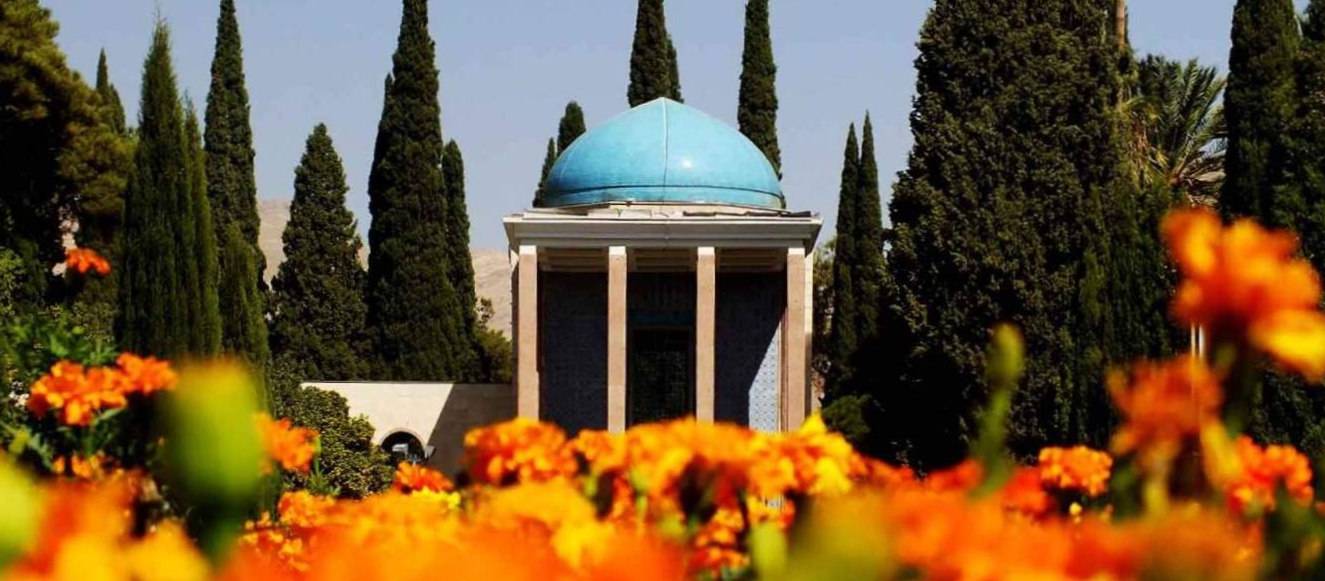
Surprise birthday in Hafezieh

With a world of wonders, Iran's caves have become the most important places to visit in Iran. The astonishing beauty of these caves has caused many domestic and foreign tourists and cavers to travel to different cities of Iran every year to visit these spectacular places.
Excitement and adventure in the caves of Iran
One of the attractions of Iran is its well-known caves. These caves, with a world of wonder, have attracted the attention of tourists and professional cavers every year. The hidden and amazing beauty of the caves with strange sounds and scary bats all join hands to bring you an amazing place.
According to the founder of the speleological association, the number of caves in Iran reaches 2,500, of which only one percent of them are ancient and historical caves. But most of them are in the form of holes that were formed due to the dissolution of rock with water or the melting of ice or in the course of rivers and springs. Also, some caves have been carved by humans. Among the most famous caves in Iran, the following can be mentioned:
1 Katle Khor Zanjan Cave
One of the most beautiful caves in Iran is the Katlekhor limestone cave in Zanjan. This historical cave is unique in terms of some features such as its size, age, variety of lamps, number of floors, etc. So that you can hardly find a cave in the world that is like this cave. This beautiful and old cave was registered by a person named Seyyed Asadullah Jamali.
Katle Khor Zanjan cave is one of the caves in Iran, all parts of which have not yet been discovered and no one has been able to reach the end of the cave. so that only 30 km of this cave has been identified and 22 km of it has been mapped; Therefore, if you are interested in visiting this beautiful cave, you can only visit a 1200-meter path on the first floor of the cave.
According to the investigations and evidences, many speleologists believe that the end of this cave is connected to Ali Sadr Cave in Hamedan. Because in terms of age, these two caves are almost equal. In terms of the type of kandils, the limestone of Katle Khor Cave is much purer than the limestone of Ali Sadr Cave. This feature has increased the transparency of the limes and the beauty of the cave is doubled when the light passes through the lanterns.
Many of those who have visited both Ali Sadr and Katle Khor Caves consider Katle Khor Cave in Zanjan to be more beautiful than Ali Sadr Cave. If you are also interested in visiting Iran's caves, do not miss visiting this cave. The path to access this cave is very long. For example, if you are going to this cave from Tehran, you should enter the city of Abhar, Kedar, and finally Garmab from Tehran-Qazvin highway.
Address of Katle Khor limestone cave: 155 km south of Zanjan, Khodabande city, Garmab city
Click on the link to rent a suite in Zanjan.
2 Ali Sadr Cave in Hamedan
Undoubtedly, one of the most popular tourist attractions in Iran belongs to Ali Sadr Cave in Hamadan. This beautiful cave was registered in Iran's national natural monuments in 2007. This spectacular attraction is the only wetland cave in Iran and the world that you have to take a long boat ride to see. Alisadr Cave in Hamadan is known as one of the largest water caves in the world and it dates back to the second Jurassic geological period.
Winding corridors, numerous and eye-catching corridors, beautiful lakes, lanterns, stones, strange and animal-like sculptures such as the eagle's paw, the statue of freedom, the blessed name of Allah, cabbage, bunch of grapes, upside-down boat, two-headed lion, dove and so on, all of this cave is one of the wonders of Iran that you will be delighted to see.
To visit the inside of Ali Sadr Cave, you have to board a pedal boat and paddle the route halfway and the whole way with a distance of 1250 and 4000 meters. Among the most famous parts of Ali Sadr, we can mention Azadi Hall with a length of 100 meters, a height of 40 meters and a width of 60 meters.
If you have visited this beautiful cave, you will surely imagine that this cave is very long. But we must say that only 12 km of this cave has been discovered and only 2.2 km of it is ready for visiting.
The access route to Alisadr Cave, as one of Iran's caves, is available to everyone both by private car and by public transportation. To visit it, you can choose one of the three routes: Hamedan to Bijar road, Kabudar Ahang road to Alisadr, or Shirin Su town to Alisadr.
Address: 75 km northwest of Hamadan, Kabudar Ahang, Goltepe sector, Alisadr village, Sari Qiya Heights
3 Qeshm salt cave
Qeshm has many tourist attractions. One of the most popular sights in Qeshm is its salt mountain, which is considered one of the seven wonders of Qeshm. This spectacular attraction of Qeshm has several caves in its heart. One of the largest and most famous of these caves is the Qeshm salt cave, which, with its length of 6.4 kilometers, has earned the title of the longest salt cave in the world.
The research of speleologists in this field shows that the Qeshm salt cave dates back to 570 years ago and to the Cambrian period. This salt cave is one of Iran's caves, which is horizontal and has a very small slope. Your visibility is excellent up to 20 meters deep in this cave and you can visit it without any lights. But if you plan to go to the depth of 100 meters in this cave, you must have enough equipment.
It is possible to access this cave from the three ports of Salekh, Gormi and Basseido. After crossing the Shossei road, you should follow the beach route to the entrance of the cave to
Walk for two kilometers.
Address of Qeshm salt cave: Hormozgan province, 90 km from Qeshm city
Kermanshah Prav Cave
One of the most amazing caves in Iran belongs to Parov Cave in Kermanshah. This cave was discovered by the British in 1351. Prav Cave is one of the deepest caves in Iran with a length of 1454 meters and a height of 752 meters. There are many legends related to this strange cave. Some believe that the length of this cave, as one of the Iranian caves, is as long as the Milky Way.
Since this cave is located in the path of water and limestone streams, they chose the name Prav meaning water for it. In this long cave, there are about 26 wells, the deepest of which is 42 meters deep. This blue cave is one of the most famous caves. But now it is very suitable in terms of safety and many cavers choose this place to practice.
This cave is one of the largest vertical caves in Dina. This feature has caused it to be called the Everest of the world's caves; Therefore, to go to Prav, you must first hike a mountain path.
Address of Ghar Parov, Kermanshah: Kermanshah province, Mount Parov, between Mount Taq Bostan and Mount Biston
4 Daniyal Cave, Mazandaran
One of the most beautiful caves in Iran is Daniyal Cave in Mazandaran. This cave is considered as the second largest river cave in Iran and has a length of 2 kilometers and a height of 75 meters. The water inside this cave, like some caves in Iran, is supplied from different springs. This dark cave is home to all kinds of animals, including crabs, spiders, mice and frogs. The temperature of this river cave varies between 23°C and 17°C throughout the year.
If you want to see this beautiful cave, you should go to Salmanshahr from Chalus road to Tankabon and next to Qo hotel, and from there go to a village called Daniyal. There is a wooden bridge at the end of this village. After crossing this wooden bridge, you enter a two-kilometer long dirt road. Take the side road to the left until you reach the last villa. After crossing the river and reaching the second fork, go towards the white walls.
On the northwest side and just below this wall, the beautiful and spectacular Daniyal cave is located. Of course, we suggest that you visit this cave in a group.
Address of Ghar Daniyal, Mazandaran: Mazandaran, Salmanshahr, Daniyal village
Kermanshah Castle's Ghori Cave
One of the caves in Iran is Ghori Cave of Kermanshah Castle, which is considered one of the most famous caves in Iran. This beautiful and historical cave dates back to 65 million years ago. One of the unique features of Qori Qala cave is its large size. This cave with a length of 12 kilometers and a depth of three thousand meters is considered as the first blue cave of the ancient continent.
One of the attractions of this cave is the presence of four waterfalls in it. The height of these waterfalls reaches 10 to 12 meters and at a depth of 3000 meters it brings a unique view to tourists. This beautiful and spectacular cave is located in a beautiful nature with a forest landscape in the middle of a spectacular valley and is very famous among tourists because of its unique view.
If you intend to visit this historical and blue cave as one of Iran's caves, you should be on the way from Kermanshah to Paveh to reach the city of Ravansar. In the continuation of this route, there is the village of Ghori Qala, which is a cave on the right side of the road.
The entire access route to Ghori Qala Cave is asphalt; So you will not feel any difficulty along the way. The temperature and humidity in the Qori Cave of Kermanshah Castle are very balanced in all seasons of the year. This has made this cave popular.
Address of Ghori Ghori Castle of Kermanshah: 87 km from Kermanshah, 25 km from Ravansar city
5 Central Nakhjir cave
Chal Nakhjir cave was known as the bride of Middle Eastern caves for a long time. This cave dates back to the third geological period, 70 million years ago. It might be interesting for you to know that this cave was discovered due to an explosion in its mouth. Most of the parts of this cave are composed of three floors and limestone deposits, and it is known as one of the limestone caves among the caves of Iran.
According to researchers, the depth of Chal Nakhjir cave reaches 14 km. But only 4 km of it has been discovered by cavers and locals. Also, only 1,200 meters of it have been secured and illuminated for visiting enthusiasts.
Central Nakhjir Cave is known as a living cave. This means that if a part of this cave is damaged or cracked, it will repair itself again after years. Among the unique sights of this cave, we can mention crystalline sponges, kelist and coral gardens, various halls such as Chehelston, prisms, various ponds, etc.
If you plan to visit this beautiful cave, you should be on the way from Dilijan to Naraq. After walking 10 kilometers, you will reach the entrance of this cave.
Address of Central Nakhjir Cave: Central Province, 11 km northeast of Dilijan, Naraq-Dilijan border, Takht mountain slope
6 Dengzlu Cave, Isfahan
Among the caves of Iran, we can mention the beautiful cave of Dengzlu, Isfahan. Great halls with a height of 10 meters, a lagoon with a depth of seven meters, water pools, etc. are among the attractions of this cave. According to many tourists, the beauty of this cave is similar to that of Ali Sadr Cave in Hamadan. The water of this water cave is supplied from one of the main branches of the Marber River. As a result, you must use a boat to visit this cave.
The access route to this beautiful cave in Isfahan is from Semiram to Padna.
There is a cave opening on the bank of the river.
Address of Dengzlu cave in Isfahan: Isfahan, Semiram, Padna section, northeast side of Dana mountain, Dengzlu village
7 Jojar Cave, Kermanshah
Jojar Cave of Kermanshah is one of the deepest caves in Iran. The water of this cave is supplied from several springs and large underground water table. The location of this cave in the middle of a beautiful and eye-catching area with bright and permanent springs has become a suitable place for mountaineers to have fun. This cave is one of the Iranian caves that is accessible to the public vertically with an opening with a gentle slope and stairs.
You need a rope and enough equipment to go to this cave. Because some parts of this cave are icy and make it difficult to pass through. So that Iranians and foreign cavers have not yet been able to see the end of this cave.
Address of Jojar Cave, Kermanshah: Kermanshah province, 2900 meters altitude of Peru plateau in the north of Chalaba region.
8 Qizhlan Cave, Kermanshah
The second deepest cave in Iran is located in Kermanshah province. But this cave is a bit difficult to access because of the narrow passageways. Therefore, to access this cave, you must be professional and have enough equipment with you.
9 Kurdistan cave
If you are looking for a mysterious and amazing cave, we suggest you the Kurdistan Cave. This historical and ancient cave is located in a deep and beautiful valley in the limestone mountain range. Around this cave there are numerous holes and scary crypts. One of the positive features of this cave is its warm temperature in winter and blinding wind in summer.
This ancient limestone cave is one of Iran's caves that dates back to the Mesozoic era. In the past, this cave was a place for humans and animals such as swallows, pigeons and bats to live. One of the valuable works of this cave is the presence of valuable inscriptions in Greek script. Some researchers attribute this cave to one of the ancient Greek gods named Hercules.
There is water inside some parts of this cave; Therefore, you must use a boat to see it. This cave is 750 meters long with its rocky architecture and its slow hand, and the height of some of its parts reaches 12 meters. To access the entrance, you have to go to a height of 20 to 25 meters on the mountainside. Of course, you can easily access this opening with 180 steps.
Address of Kurdistan Cave: Kurdistan province, 67 km northwest of Divandre city, 70 km east of Saqqez.
10 Dosar Cave, Yazd
One of the most exciting caves in Iran is Ghar Dosar or Pashum Yazd. This erosion cave with its dome shape consists of a large underground hall. This underground hall with its length of 81,500 meters is known as the fourth largest cave hall in the world. One of the strange features of this cave is the absence of a single column in it.
At the beginning of the entrance of this cave, there is a well with a depth of 19 meters and a slope of 70 degrees. After walking a few kilometers along this path, you will reach another well with a depth of 80 meters. After following this route, you will come across Dosar Cave Hall. It is important to note that to go to this cave, you must bring professional and necessary caving equipment.
Address of Ghar Dosar Yazd: Mehriz, Yazd province
11 Seholan Cave of West Azerbaijan
Many travelers choose Urmia as their travel destination because of the Seholan Cave. Seholan Cave is one of Iran's caves that dates back to the second geological period and is known as the second blue cave. Watching beautiful lanterns, boating in lakes and ponds, seeing different limestone formations, the magical sound of the cave, etc. are among the features that will definitely surprise you.
The area of Seholan cave is nearly two hectares and only 300 meters of it has been discovered. Near this cave there is an area called reverse gravity. Although this road is downhill, the pull of the surrounding mountains will slow down your car's speed and acceleration.
Address of Seholan Cave: Mahabad, West Azarbaijan Province
12 Morad Alborz ice cave
Most of the caves consist of limestone columns in the ceiling or floor. However, Murad Ice Cave, as its name suggests, is made up of beautiful ice lanterns, which have given this cave a special beauty due to the reflection of light. Frozen waterfall, pond and three halls are different parts of this ice cave. This ice cave is one of the few caves in Iran, which consists of four floors with a height of 30 meters.
Murad Alborz ice cave address: Alborz province, four kilometers south of Gachsar
13 Sangsar Darband Cave in Semnan
If you happen to pass through Semnan province, be sure to visit Darband Sangsar limestone cave. This cave, which is one of the most famous caves in Iran, is also known as Mahdishahr Cave. This cave is located on the steep slope of Leherd limestone mountain. Darband cave dates back to 140 million years ago and is one of the largest limestone caves in Iran.
The stalactite and stalagmite columns and limestone walls of this cave are among the natural attractions of this cave.
14 Espahbod Khursheed Cave, Mazandaran
This cave is one of the hand-made caves that were built by the locals of this region during the Arab invasion of Iran. This beautiful and spectacular cave is located on Mount Lakhmer and with its 90-meter opening, it is considered one of the largest natural arches in the world.
One of the amazing features of this cave is the scary abyss that is in front of this cave. This feature has made access to this cave a little difficult.
Address of Espahbad Khursheed Cave, Mazandaran: Mazandaran Province, 19 km south of Sefid Bridge, Swadkoh, Khat


Relaxing in mesmerizing nature of Iran in the summertime and enjoying the beautiful weather in Yilaq which means a place where you live in the summer.
Going in-depth in Iran, visiting all the main hot spots plus visits to Hamedan, Ali Sadr cave, Qazvin, and finally the hot springs and the amazing nature of Sarein
Tehran > Shiraz > Yazd > Isfahan > Abyaneh > Hamedan > Qazvin > Anzali > Sarein
A quick visit to two main cities of old Iran, Shiraz, and Isfahan, quickly but magnificently. Both the cities have international airports for more flexibility.
Isfahan > Shiraz
The must-see route in Iran, we will visit most of the major historical sites. Best tour to get if this is your first time traveling to Iran.
Tehran > Shiraz > Yazd > Esfahan
Short trip through the three major touristic cities of Iran to catch a glimpse of the beauty of the country. You can fly between the cities with lots of daily flights, also great quality private cars, trains, and buses are available.
Tehran >  > Shiraz >
  > Isfahan
Tehran > Ahvaz > Suse > Shiraz > Bavanat > Yazd > Esfahan > Golpaygan > Hamadan > Kermanshah
17 Days
A more thorough itinerary with emphasis on getting to know the history of Iran with a bit of nature to enjoy.


We visited Iran last April and had a wonderful time. The country is very different to how the western media portray it. It feels very safe, prosperous and relaxed. There are many women working and many men who are very involved in child care. There is no sign of religious oppression and everyone seems to tolerate a wide range of dress codes from the western to the traditional.
First of all allow me to wish you and your families and all of those at Gardeshgaran Travel Agency a very happy and prosperous Norooz. I hope that this New Year brings to you all the best in happiness and health and prosperity.
I wanted to take some time while my thoughts are still fresh to give you some feedback on our recent tour in Iran. As you know this is my third time touring and also my third time working with your agency. I was very pleased with the attention that you have given me in my need for information.
After being home for almost one week I would like to take the time to thank you again very much for your help and support you gave us in Iran.As you probably realized, we had to change and shorten our travel plan in Iran for personal reasons.
But despite the short time we spent there, we had a wonderful and unforgettable holiday.
Just a little note of thanks to you and your company for the lovely gift that you sent me via Mr Colin MIller.
As I live in a different town to Mr Miller I don't get to meet with him very often but he did phone me when he returned from his holiday and said he had a gift for me from your company so two weeks ago I visited his town and he gave me the gift..
After coming back to Romania from our long journey in Iran we would like to thank you a lot for all your efforts to make our holiday in your beautiful country a great one. We saw a lot of wonderful places and met very nice and interesting people. Iran is indeed a country worth while travelling through! We are very grateful to you for the perfectly organized route and for the reliable and highly professonal guides and drivers.
After coming back to Romania from our long journey in Iran we would like to thank you a lot for all your efforts to make our holiday in your beautiful country a great one. We saw a lot of wonderful places and met very nice and interesting people. Iran is indeed a country worth while travelling through! We are very grateful to you for the perfectly organized route and for the reliable and highly professonal guides and drivers.
Our holding as one of the most innovative, pro-active retail travel companies in the country works in the fields of incoming, outgoing, education, ticketing, and a major supplier of discounted domestic airfares in three branches.
Feel Free to Contact us for any reason. Consult with our travel guides for free.
Tel : +98 939 339 6969
Also on Whatsapp
Email : info@letsgoiran.com





Iran Travel Expert
Is there anything I can help you with?.
09.00